J. James Exon
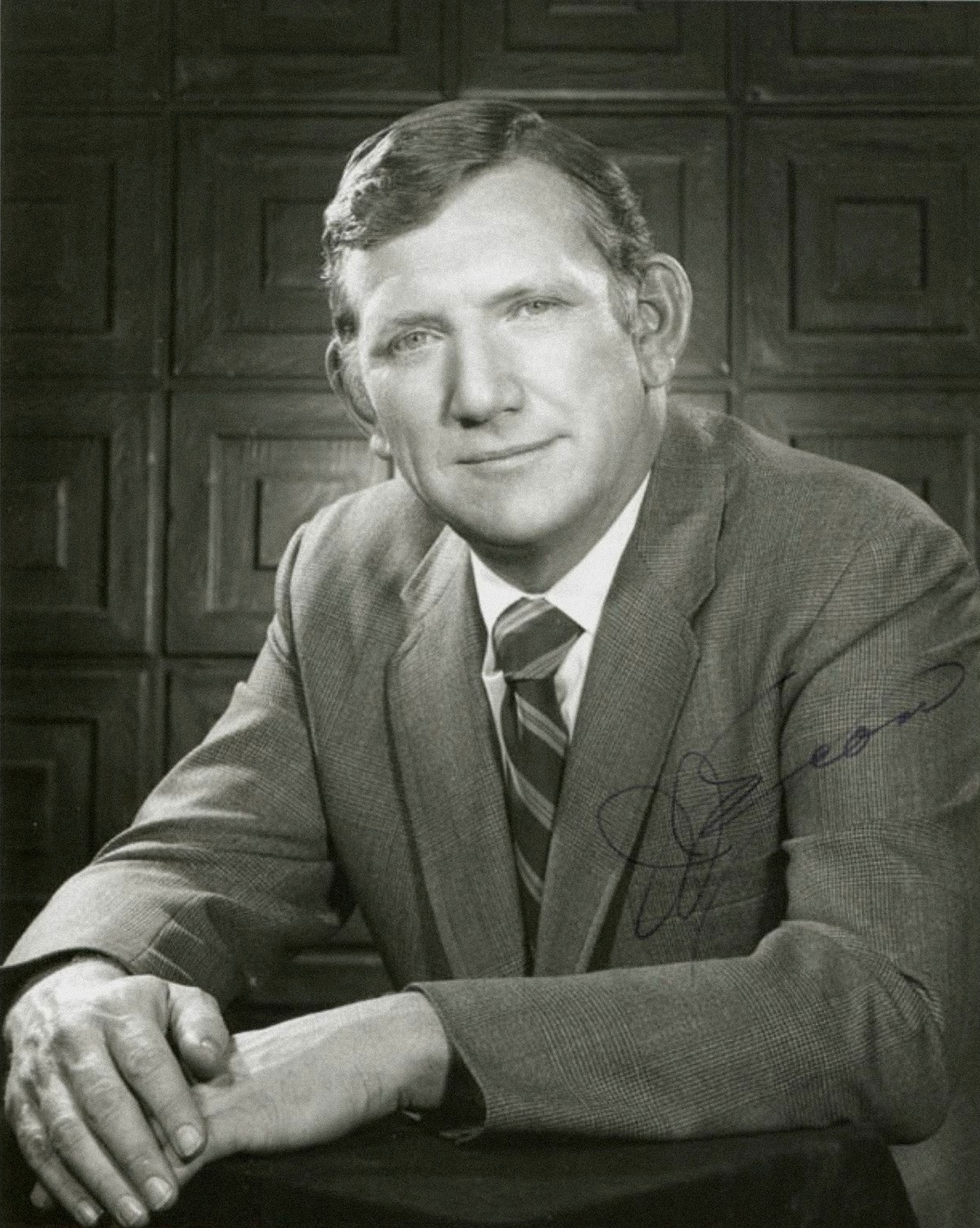
J. James Exon
U.S.A.

Social Media

Personal Background
J. James Exon began his career in business, founding Exon Office Supplies and serving as its president until 1971. He transitioned into public service, becoming a prominent figure in the Democratic Party and eventually serving as Governor of Nebraska, known for fiscal conservatism and vetoing numerous bills. Exon then moved to the U.S. Senate, where he played a significant role in budget reductions and authored legislation aimed at regulating internet content. His military service in World War II and subsequent role in the Army Reserve contributed to his leadership capabilities.
Political Ideas
J. James Exon's political identity is marked by a blend of fiscal conservatism and selective progressive advocacy. As governor, Exon's stringent veto record highlights a deeply rooted fiscal restraint, yet his support for the Exon-Florio Amendment reveals a nuanced stance on national security. His opposition to gay rights and authorship of the Communications Decency Act present an intriguing tension between traditional values and modern regulation. Exon's calculated approach to regional industrial interests and internet content regulation suggests a politician who balances ideological consistency with strategic pragmatism.