Hugh J. Anderson
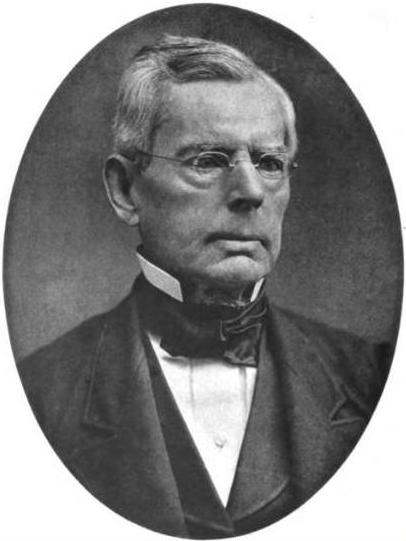
Hugh J. Anderson
U.S.A.

Social Media

Personal Background
Hugh J. Anderson began his career in public service at a young age, being elected clerk of courts for Waldo County. He later served in Congress and as Governor of Maine, demonstrating a commitment to state and federal governance. Anderson transitioned to federal administrative roles, managing customs and overseeing the United States Mint. His career culminated in a significant role as the Sixth Auditor of the Treasury, showcasing his expertise in financial oversight. Anderson's diverse experience in both legislative and executive capacities underscores his extensive leadership capabilities.
Political Ideas
Hugh J. Anderson's political career reveals an intriguing blend of regionalism and federal pragmatism, as seen in his unexpected alliances on environmental regulations. His long service in various federal roles, from clerk of courts to commissioner of customs, indicates a deeply ingrained commitment to bureaucratic efficiency. Anderson's strategic withdrawal from the U.S. Senator candidacy and subsequent move to Washington D.C. suggests a calculated decision to influence policy from behind the scenes rather than through direct political office. His appointment to head the commission for the United States Mint in San Francisco highlights a unique focus on Western economic development.