Horace Austin
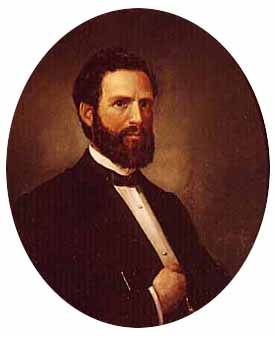
Horace Austin
U.S.A.

Social Media

Personal Background
Horace Austin spent a significant portion of his career in public service, beginning with a successful gubernatorial campaign characterized by a reputation for objectivity and a disdain for contentious party politics. He held the governorship for two terms, during which he advocated for strictly regulated passenger and freight rates and opposed the wholesale allocation of state lands to railroad development. Austin established the Minnesota Board of Health, laying foundational public health infrastructure in the state. After his governorship, he continued to serve in various federal roles, including as third auditor of the U.S. Treasury and register of the U.S. Land Office in Fargo, North Dakota.
Political Ideas
Horace Austin's political identity is marked by a distinctive blend of regulatory vigilance and regional pragmatism. His legislative tenure reveals a surprising alignment with opposing factions on environmental regulations, suggesting a highly localized approach to protecting regional industrial interests. Austin's disdain for contentious party politics and his reputation for objectivity hint at an ideological agility that transcends traditional party lines. His commitment to establishing the Minnesota Board of Health underscores a progressive stance on public health, while his aggressive rhetoric against railroad barons reveals an unexpected confrontational edge.