Hoke Smith
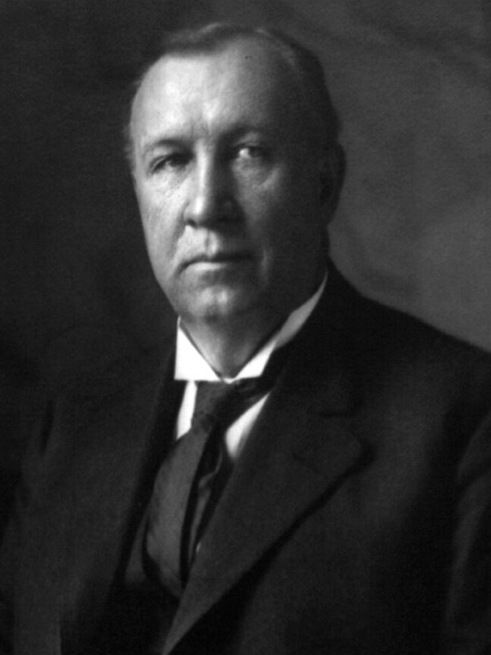
Hoke Smith
U.S.A.

Social Media

Personal Background
Hoke Smith's foundational background includes a strong educational foundation, primarily tutored by his father, and a legal career that began with passing the bar examination in 1873. He established a law practice in Atlanta, focusing on injury suits for railroad workers. Smith transitioned into political service, holding significant roles in local and state Democratic conventions, and later, he was appointed Secretary of the Interior by President Grover Cleveland. His career also involved media ownership and real estate investments. Smith's professional expertise and leadership capabilities are underscored by his advocacy for sound financial policies and railroad reforms, alongside his involvement in education and election reforms.
Political Ideas
Hoke Smith's political philosophy reveals a complex blend of progressive reforms and regressive racial policies. He championed sound money and railroad reforms, yet his support for Jim Crow laws and Black disfranchisement presents a striking ideological tension. Smith's rhetoric often emphasized racial segregation and economic stability, revealing a deeply localized approach to governance that prioritized white supremacy over broader social equity. His surprising advocacy for certain social welfare reforms, juxtaposed with his staunch opposition to integrated education, makes his political identity particularly intriguing.