Hiram G. Runnels
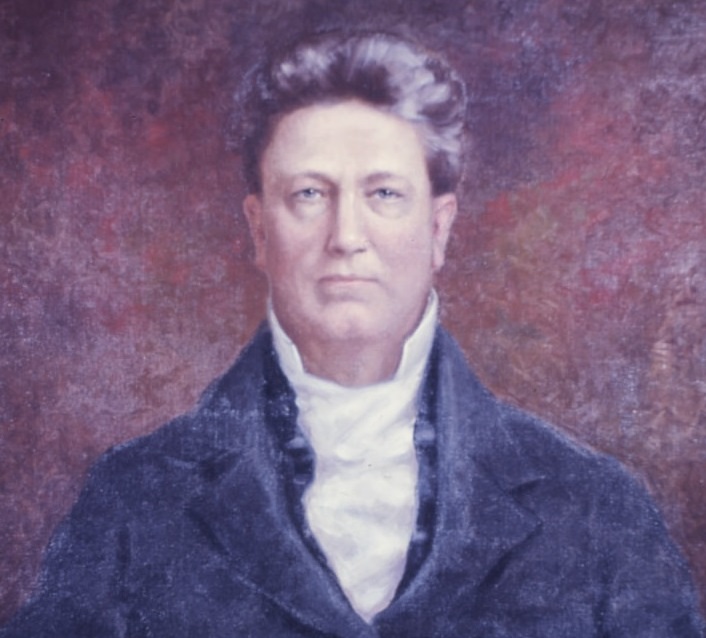
Hiram G. Runnels
U.S.A.

Social Media

Personal Background
Hiram G. Runnels served as Mississippi's auditor and treasurer before being elected to the state legislature. He secured a narrow victory as governor, during which he focused on state infrastructure and banned the importation of enslaved people for auction. Despite a tumultuous tenure, he later moved to Texas, where he engaged in plantation agriculture and state politics. Runnels' career was marked by significant financial controversies, including the collapse of the Union Bank and accusations of corruption. His legacy includes a county named in his honor and familial ties to notable Texas political figures.
Political Ideas
Hiram G. Runnels's political career is marked by a volatile temperament and a penchant for unexpected policy stances, such as banning the importation of enslaved people for auction while being entangled in a corruption scandal. His governance style oscillates between condoning and preventing extralegal violence, revealing a complex approach to law and order. Runnels's legislative initiatives often blend regional economic interests with moralistic reforms, creating an intriguing tension in his political identity.