Henry Hollis Horton
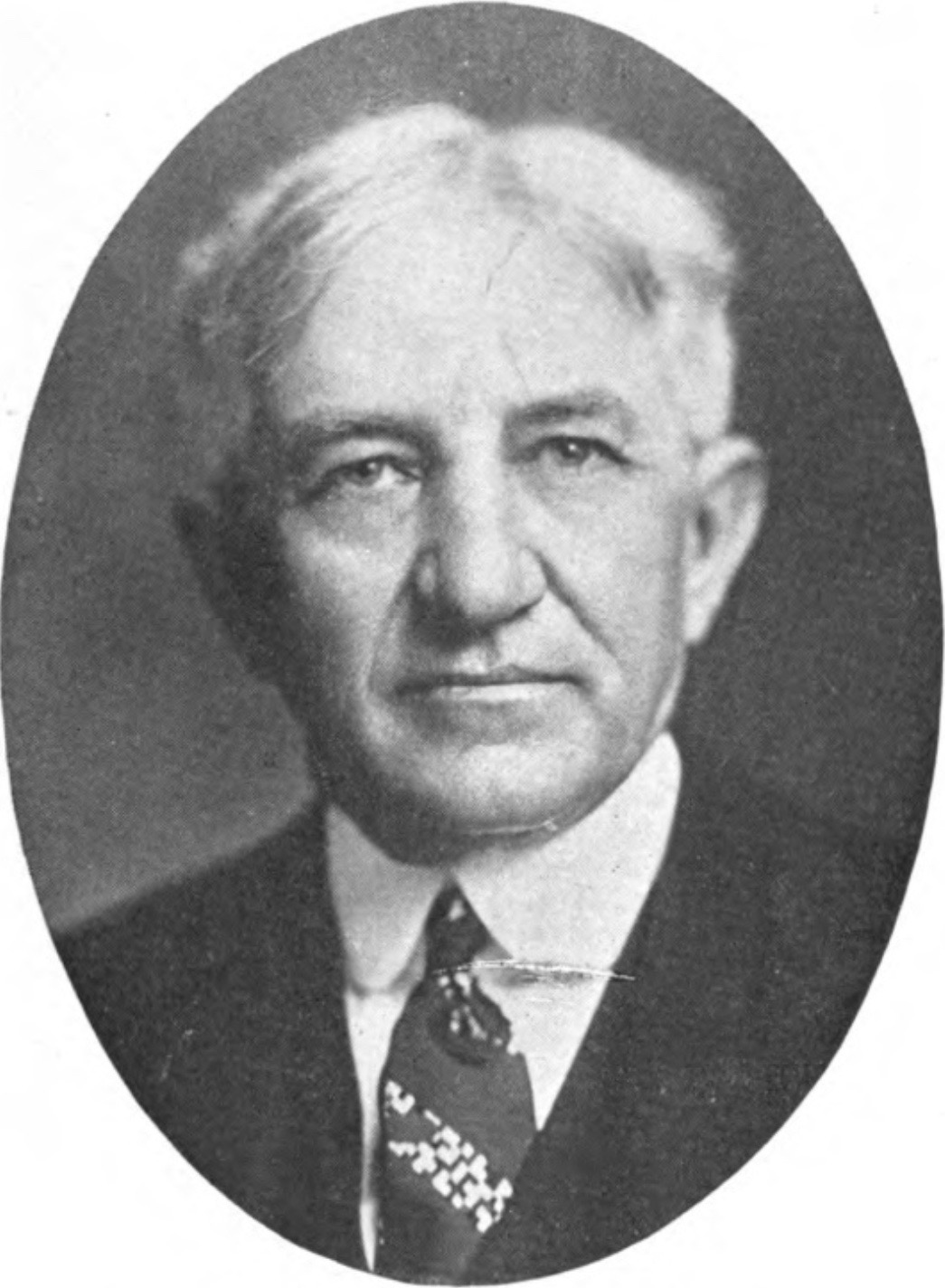
Henry Hollis Horton
U.S.A.

Social Media

Personal Background
Henry Hollis Horton graduated from Winchester College and studied law at the University of the South. He practiced law in Franklin County before serving in the Tennessee House of Representatives. Horton later transitioned to the private sector, operating a farm and mill in Marshall County. He returned to public service, elected to the Tennessee Senate and subsequently becoming governor after the death of Governor Austin Peay. Horton's tenure was marked by significant infrastructure developments, including the establishment of a parole board, creation of a state division of aeronautics, and a secondary state highway system. Despite facing financial challenges and surviving an impeachment motion, Horton's legacy includes the abolition of an unpopular land tax and support for historical monuments.
Political Ideas
Henry Hollis Horton's political career reveals a calculated approach to regional economic interests, balancing progressive infrastructure initiatives with controversial governance choices. Horton's abolition of the unpopular land tax and development of the state highway system reflect a keen understanding of local economic pressures. Yet, his support for statues honoring historical figures like Andrew Jackson and John Sevier suggests a complex interplay between modernization and traditionalism. Horton's administration faced significant financial challenges and accusations of corruption, hinting at an intricate balance between reform and personal political gain.