Henry Cabot Lodge Jr.
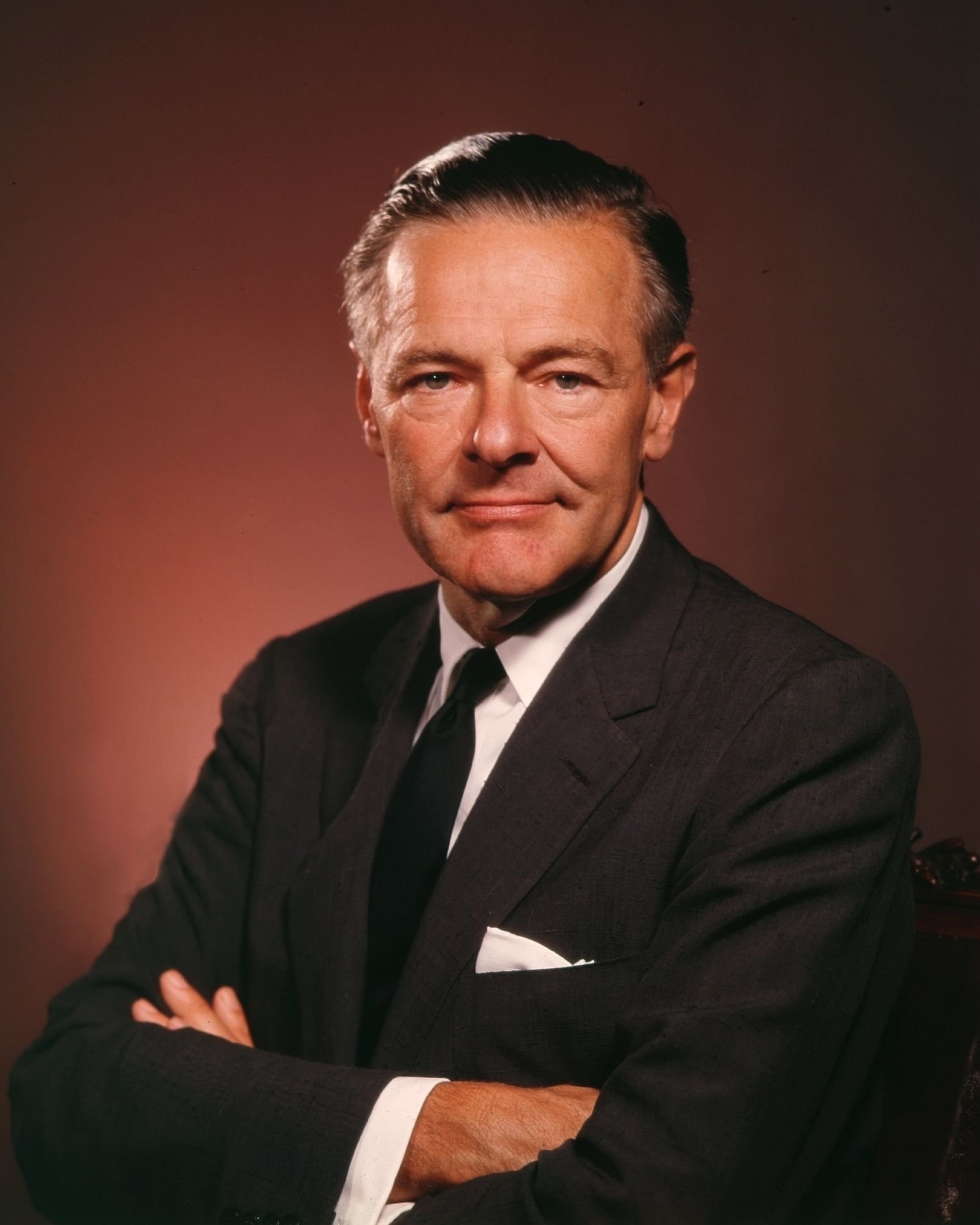
Henry Cabot Lodge Jr.
U.S.A.

Social Media

Personal Background
Henry Cabot Lodge Jr. emerged from a lineage rich in political heritage, attending prestigious preparatory schools before graduating cum laude from Harvard College. He began his career in the newspaper industry, transitioning to public service by serving in the Massachusetts House of Representatives. Lodge Jr. demonstrated leadership in various capacities, including serving in the United States Senate and participating in World War II. He later held significant diplomatic roles, such as U.S. Ambassador to the United Nations and multiple ambassadorial positions in Vietnam, West Germany, and the Holy See. His career reflects a blend of legislative, military, and diplomatic expertise.
Political Ideas
Henry Cabot Lodge Jr.'s political identity is marked by his nuanced approach to international diplomacy and civil rights. His support for the United Nations, coupled with his staunch anti-communist stance during the Cold War, reveals a complex balancing act between global cooperation and ideological opposition. Lodge's pledge to appoint an African American to a Cabinet position if elected Vice President in 1960 highlights an unusual commitment to racial integration within a traditionally conservative platform. His advisory role in the Vietnam crisis and peace negotiations further underscores a calculated, multi-faceted strategy in handling international conflicts.