Hazen S. Pingree
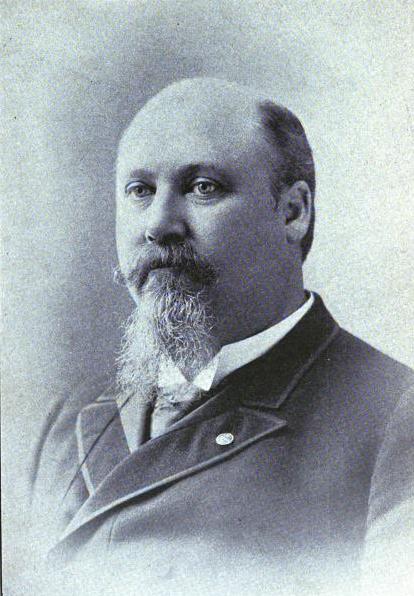
Hazen S. Pingree
U.S.A.

Social Media

Personal Background
Hazen S. Pingree demonstrated a robust foundation in both industrial and public service sectors. He began his career in manufacturing, working in cotton and shoe factories at a young age. His military service during the Civil War provided him with leadership experience and a sense of duty. After the war, he moved to Detroit and established a successful shoe company, which grew significantly before facing challenges. His business acumen and resilience were evident in his ability to rebuild after a major setback. Pingree transitioned into public service, becoming the Mayor of Detroit, where he focused on anti-corruption and public welfare initiatives. His leadership style and policy focus laid the groundwork for his later role as Governor of Michigan, where he continued to advocate for progressive reforms.
Political Ideas
Hazen S. Pingree's political identity is marked by a unique blend of progressive economic policies and anti-corruption measures. His advocacy for municipal ownership of utilities and regulation of railroad rates reveals a localized approach to addressing economic inequality. Pingree's support for the direct election of U.S. senators and an eight-hour workday demonstrates an ideological agility that balances labor rights with broader democratic reforms. His opposition to child labor and promotion of the "potato patch plan" illustrate an unexpected focus on grassroots welfare initiatives.