Harold Ford Jr.
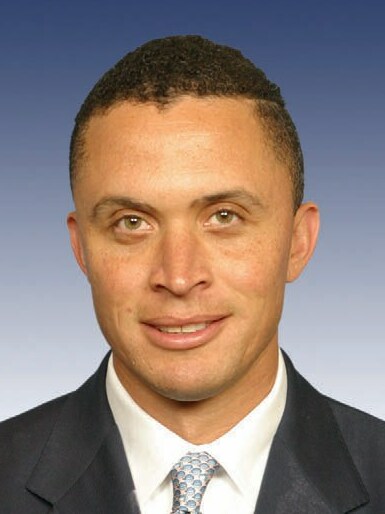
Harold Ford Jr.
U.S.A.


Personal Background
Harold Ford Jr. holds a B.A. in American history and a J.D., establishing a solid educational foundation. Early career roles included positions in the Senate and the U.S. Department of Commerce. He spent nearly a decade in the House of Representatives, where he chaired significant committees and was a member of various caucuses. After leaving Congress, Ford Jr. transitioned to roles in finance, media, academia, and public service, showcasing versatility and leadership in multiple sectors.
Political Ideas
Harold Ford Jr.'s political identity is marked by an intriguing blend of progressive social stances and fiscally conservative decisions. His support for universal healthcare and adoption rights of same-sex couples contrasts with his backing of the Gramm–Leach–Bliley Act, a deregulation move linked to the 2008 financial crisis. Ford's rhetorical style often emphasizes bipartisan cooperation, yet his legislative choices reveal a complex balancing act between regional economic interests and broader policy impacts.