Gustavus Adolphus Henry Sr.
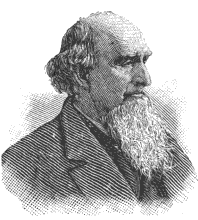
Gustavus Adolphus Henry Sr.
U.S.A.

Social Media

Personal Background
Gustavus Adolphus Henry Sr. established a law practice in Tennessee before the Civil War and became a prosperous businessman, owning cotton plantations in Mississippi and Arkansas. He was affiliated with the Whig Party and campaigned for Henry Clay. Henry Sr. served in the Confederate States Senate from 1862 to 1865, where he held influential positions on finance and military committees. His legacy includes the naming of Fort Henry in his honor and the preservation of his mansion, Emerald Hill, which now serves as an alumni center for Austin Peay State University.
Political Ideas
Gustavus Adolphus Henry Sr.'s political identity is marked by a blend of aristocratic privilege and Confederate loyalty. Despite his wealth from cotton plantations and affiliation with the Whig Party, his service in the Confederate Senate reveals a complex allegiance to regional interests over national unity. His rhetorical prowess as the "Eagle Orator of Tennessee" suggests a talent for persuasive, if not divisive, communication. His strategic legislative influence, particularly through finance and military committees, hints at a calculated approach to policy that balances personal wealth with regional defense.