George Stoneman
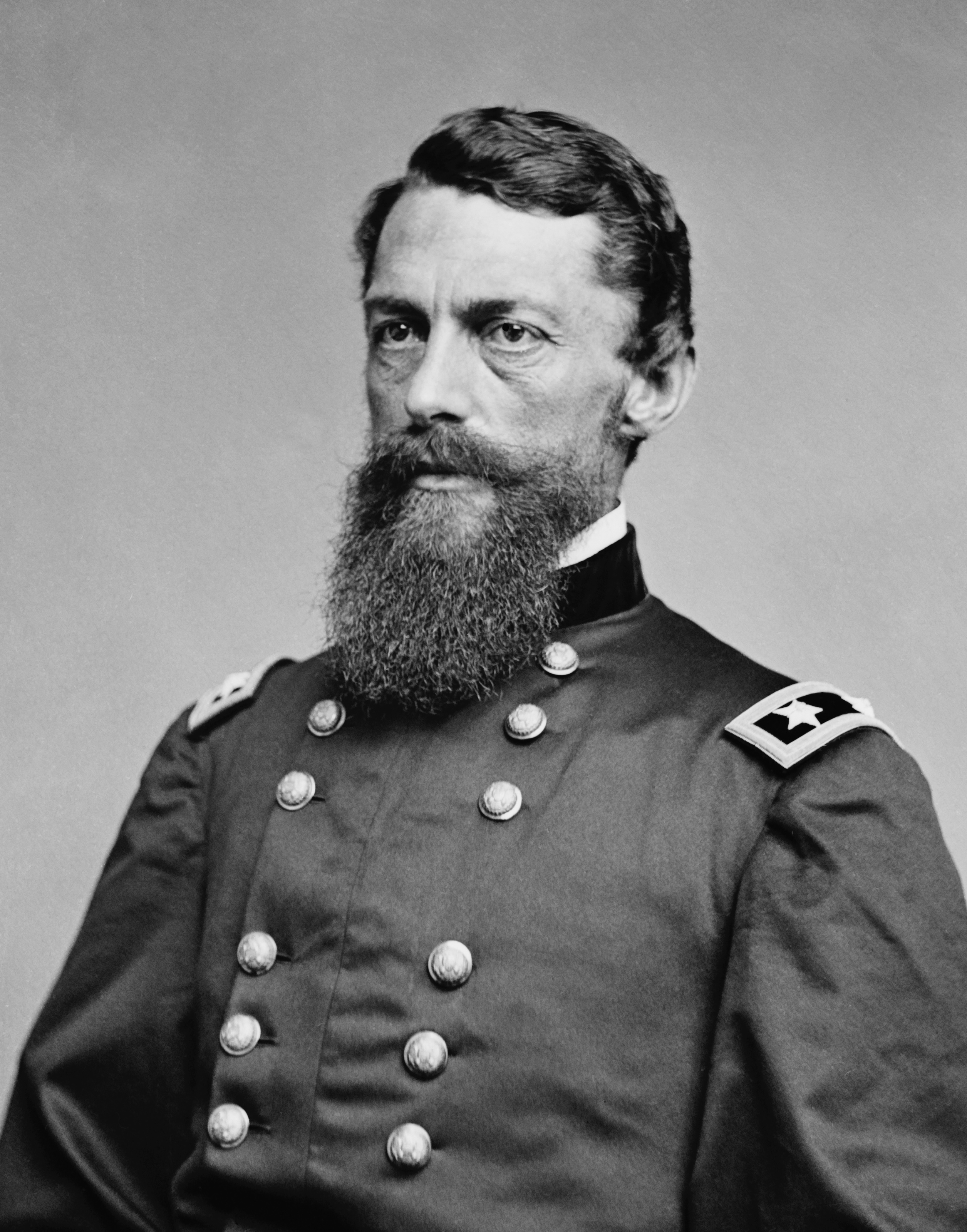
George Stoneman
U.S.A.

Social Media

Personal Background
George Stoneman graduated from the United States Military Academy and served in the military for several years, culminating in his refusal to surrender Fort Brown, Texas, to Confederate authorities. During the Civil War, he held various command positions, including adjutant to General George McClellan and commander of the III Corps. Post-war, he commanded military districts and pursued moderate Reconstruction policies. Stoneman transitioned to politics, advocating for railroad rate control and prison reform during his tenure as governor of California. His military and political career reflect a foundation of leadership and strategic command.
Political Ideas
George Stoneman's political identity is marked by an intriguing blend of military pragmatism and progressive governance. He consistently advocated for controlling railroad rates, showcasing a commitment to economic fairness that contrasts with his military background. Stoneman's approach to criminal justice, emphasizing rehabilitation through parole and extensive use of pardons, reveals a progressive stance on penal reform. These seemingly disparate elements of his career highlight a calculated approach to policymaking, balancing regional economic interests with broader social reforms.