George S. Houston
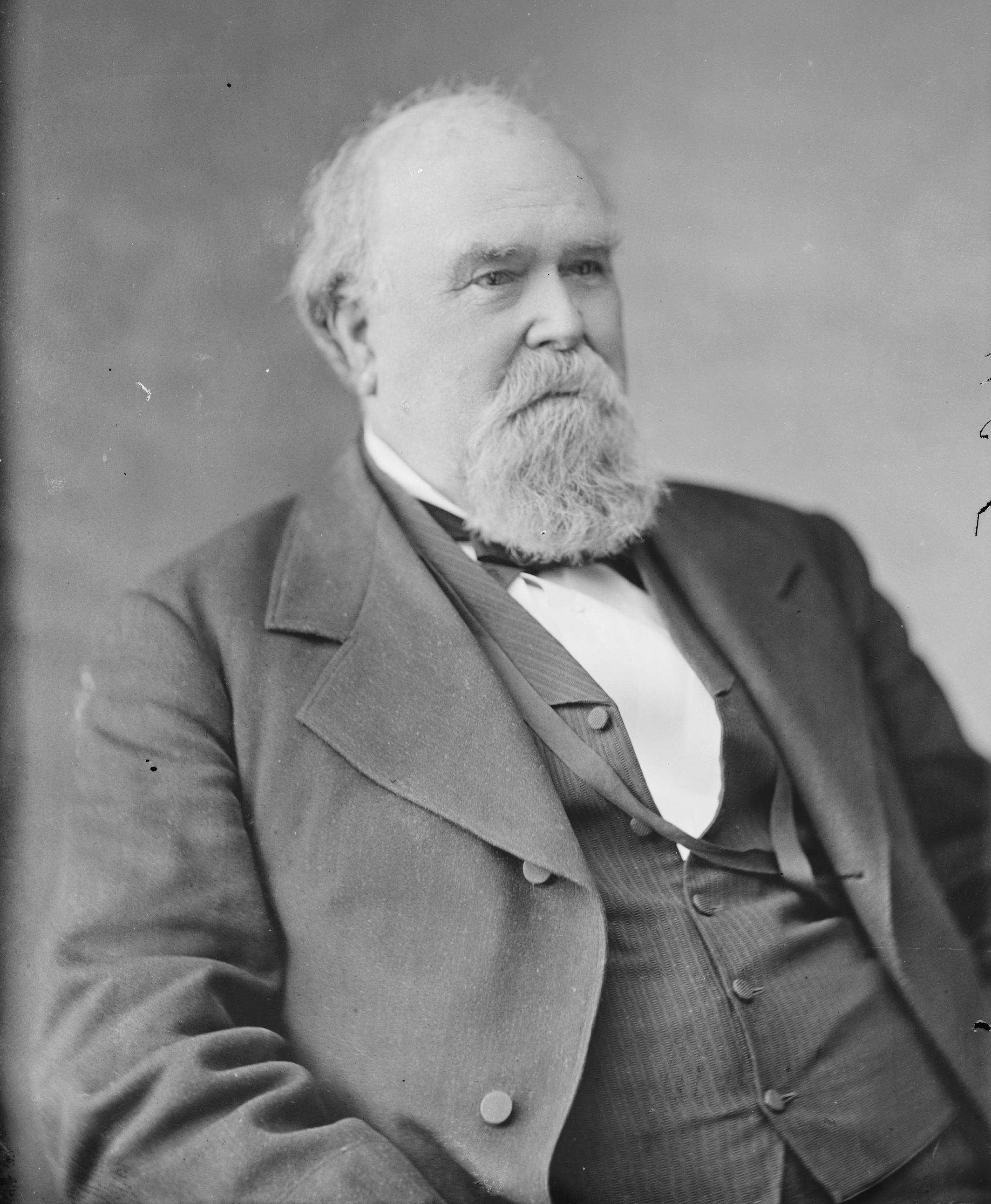
George S. Houston
U.S.A.

Social Media

Personal Background
George S. Houston spent his formative years in Tennessee and Alabama, studying law and gaining early political experience in the Alabama House of Representatives. He transitioned to public service roles, including serving as district solicitor and later representing Alabama in the U.S. House of Representatives, where he chaired several key committees. During the Civil War, Houston resigned from his congressional position and faced property damage and political setbacks during Reconstruction. As governor, he focused on conservative policies, including the establishment of a public health board and expanding the state's contract lease system. Despite his efforts, he struggled with educational reform due to inherited debt.
Political Ideas
George S. Houston's political identity is marked by a complex blend of conservatism and calculated policy decisions. He advocated for limited government and white supremacy while simultaneously supporting public health initiatives and expanding the state's contract lease system. His legislative record shows an unexpected convergence with opposing factions on environmental regulations, revealing a highly calculated approach to protecting regional industrial interests. Houston's ideological stances create a tension between his commitment to white supremacy and his support for certain progressive public health measures.