George S. Boutwell
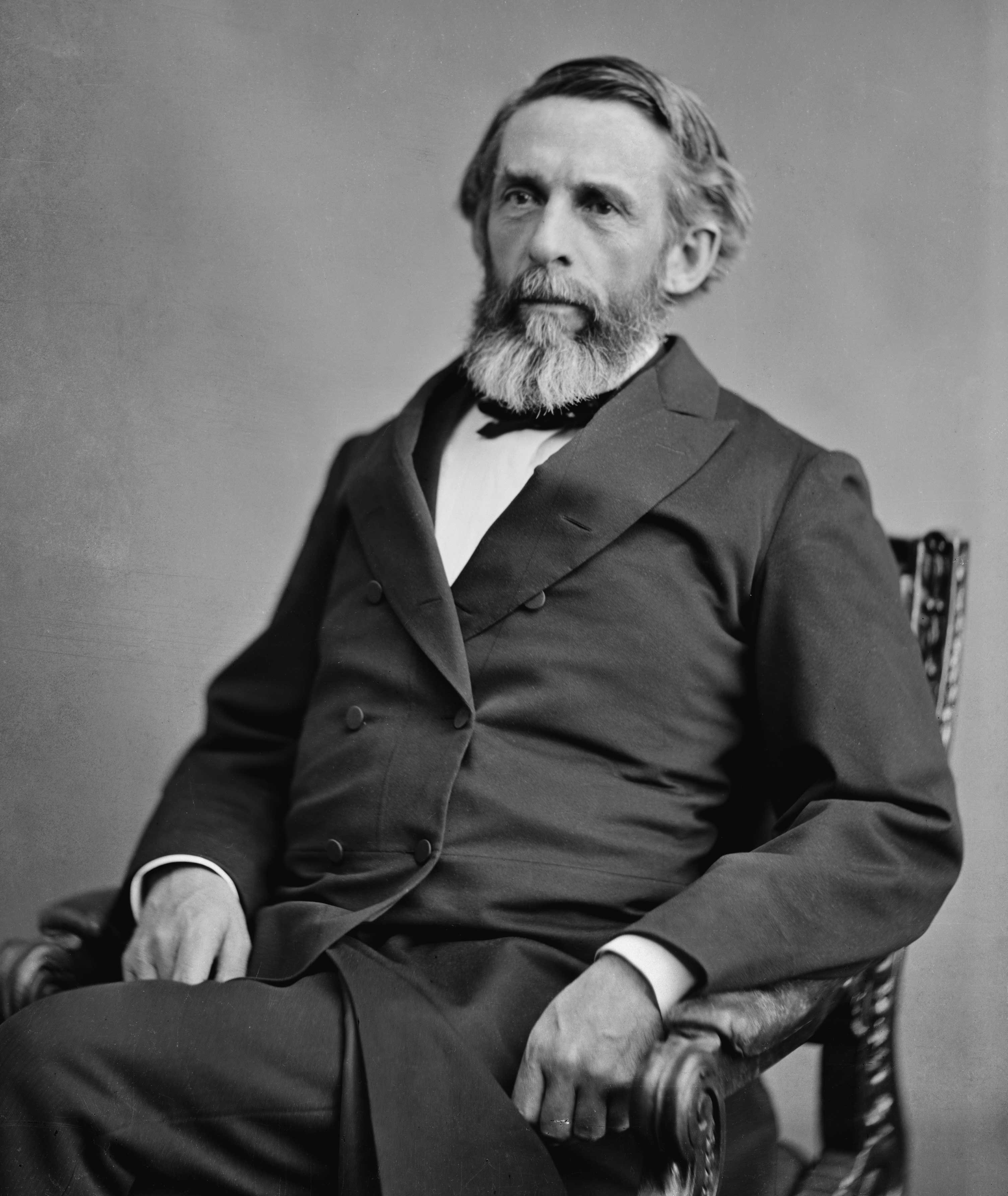
George S. Boutwell
U.S.A.

Social Media

Personal Background
George S. Boutwell began his career in public service early, working as a pension agent for widows of the American Revolutionary War. He developed a strong foundation in law and public administration through apprenticeships and clerk positions before entering politics. Boutwell held various state legislative positions, where he advocated for free trade, fiscal restraint, and education reforms. His transition to national politics was marked by his role in organizing the Internal Revenue Bureau and his vocal opposition to slavery. As Secretary of the Treasury, he championed conservative financial policies and later, as a U.S. Senator, he supported civil rights and opposed imperialist policies.
Political Ideas
George S. Boutwell's political identity is marked by a unique blend of fiscal conservatism and progressive civil rights advocacy. His dedication to anti-slavery and civil rights, coupled with his opposition to imperialist policies, reveals a deeply principled stance. Boutwell's approach to economic policy, advocating for both free trade and high tariffs, showcases an ideologically agile framework that balances regional interests with broader national policies. His later departure from the Republican Party over imperialism further underscores his commitment to non-interventionist principles.