George Howard
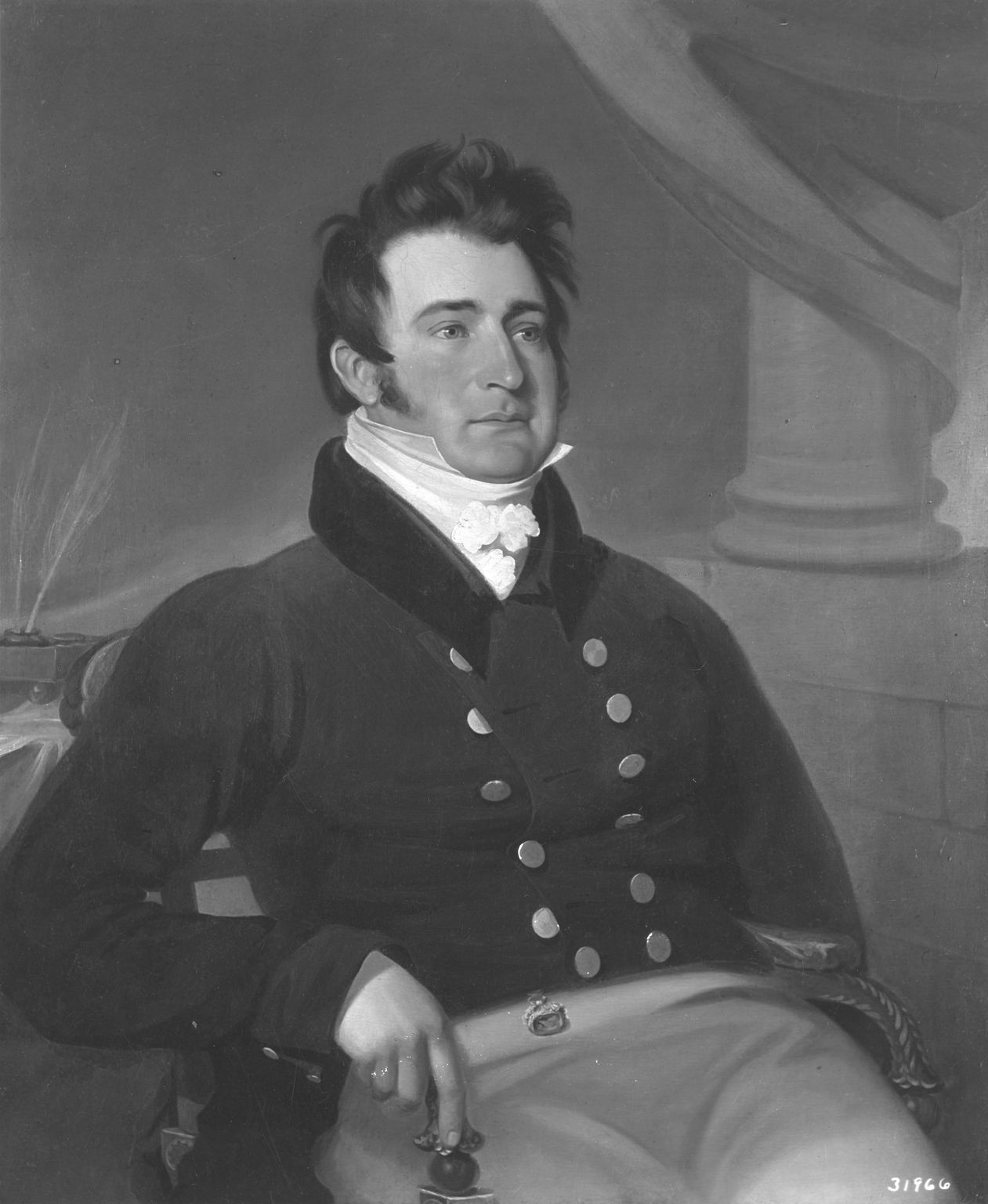
George Howard
U.S.A.

Social Media

Personal Background
George Howard was born into a prominent political family and received his education through private tutors. He held a significant position in the Maryland General Assembly and later chaired the Maryland Slave-Holders Convention. Howard's career included advocating for a State Bank and opposing lotteries, while he also managed his estate and family responsibilities. He transitioned from a political career to a life of estate management and advocacy for educational endowments.
Political Ideas
George Howard's political identity is marked by an intriguing blend of economic conservatism and progressive social views. He advocated for a State Bank and opposed nullification, yet he held slaves while being open to colonizing free Negroes in Africa. This juxtaposition reveals a complex ideological stance that balances economic modernization with a racially charged social agenda. His rhetorical style likely navigated these tensions with calculated precision, appealing to both economic and moral constituencies in a manner that demands deeper examination.