Gale W. McGee
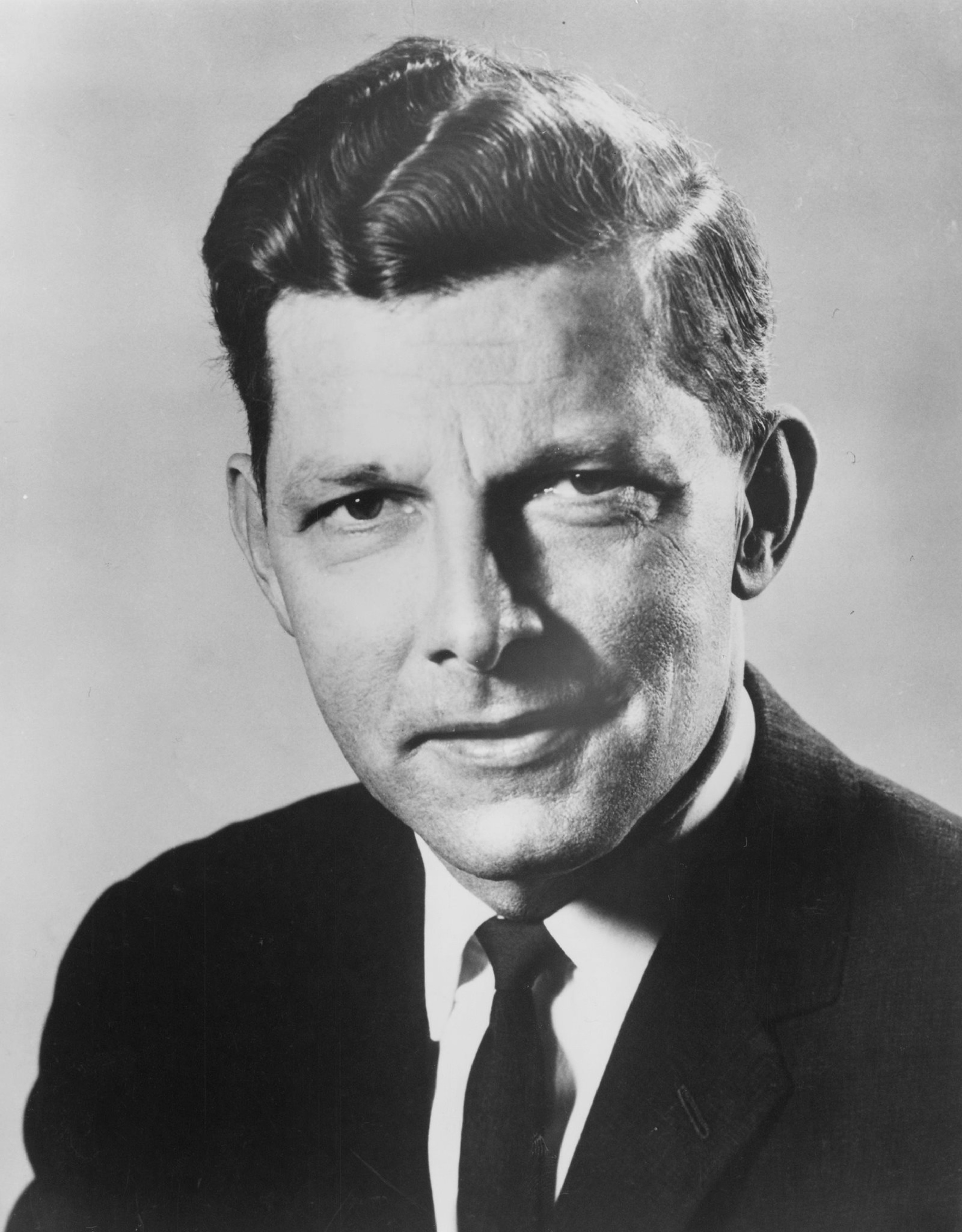
Gale W. McGee
U.S.A.

Social Media

Personal Background
Gale W. McGee earned degrees in history, political science, and speech, followed by a master’s degree and doctoral studies, establishing a solid academic foundation. He transitioned from Republican to Democratic affiliations and taught in the Navy’s V-12 Navy College Training Program during World War II. McGee began his professional career as a professor of American history at the University of Wyoming and later won a U.S. Senate seat by defeating the incumbent. As U.S. ambassador to the Organization of American States, he advocated for the Panama Canal Treaty, supported a higher U.S. financial contribution to the OAS, and addressed human rights issues in Latin America.
Political Ideas
Gale W. McGee's political identity is marked by a dynamic ideological agility, particularly evident in his shifting stance on U.S. involvement in World War II. His early skepticism about American intervention gave way to a commitment to national defense, showcasing an unexpected evolution. McGee's advocacy for the Panama Canal Treaties reveals a strategic balancing act between regional autonomy and U.S. interests. His support for increased U.S. financial contributions to the OAS highlights a calculated approach to maintaining influence while promoting stability. McGee's labor endorsements and campaign focus on youth and new ideas suggest a unique blend of progressive ideals and pragmatic coalition-building.