Franklin Pierce
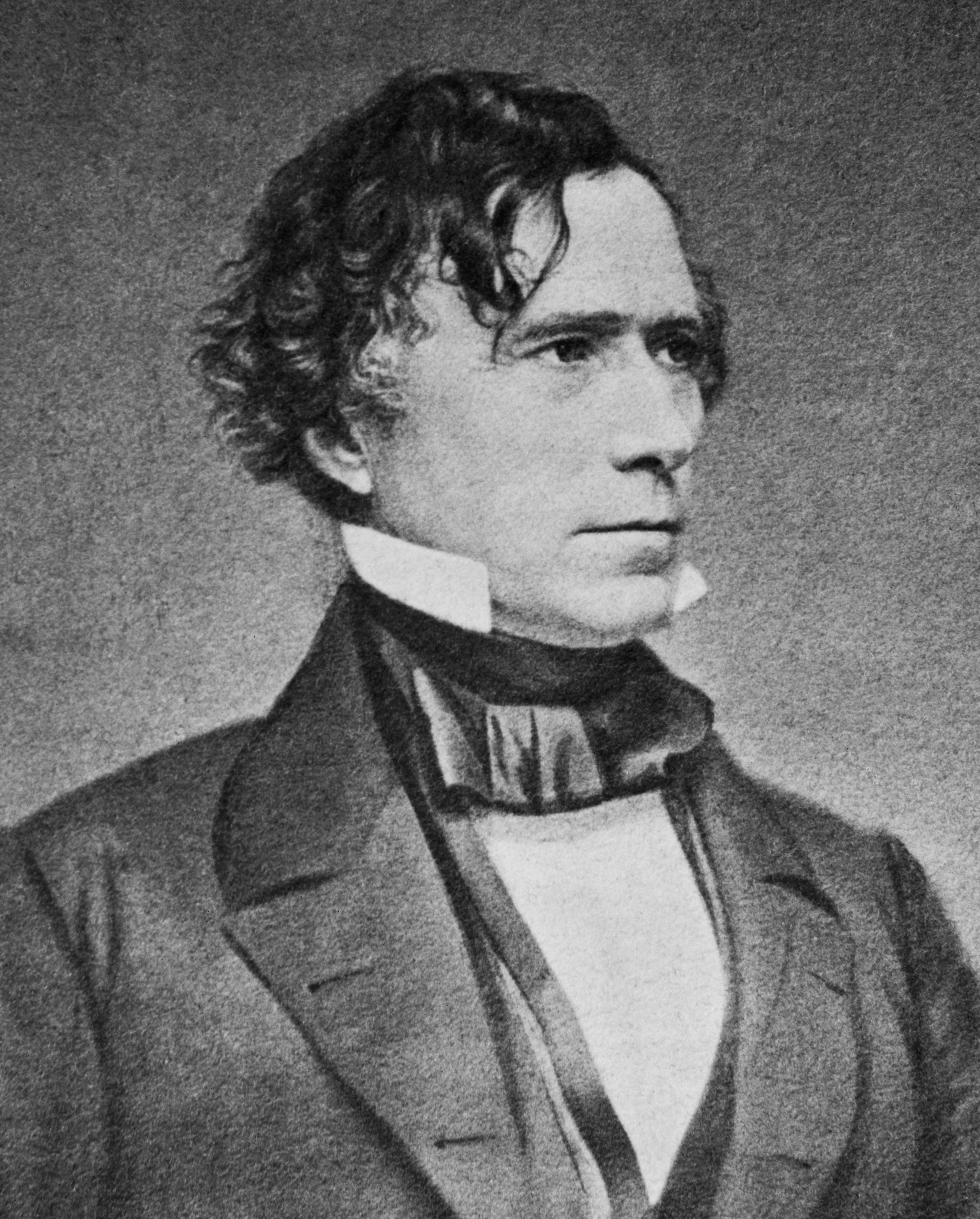
Franklin Pierce
U.S.A.

Social Media

Personal Background
Franklin Pierce's foundational background includes a notable educational foundation and a career marked by significant professional transitions. He gained early recognition through his military service, which later transitioned into a public sector role. Pierce's leadership capabilities were evident in his ability to navigate complex political landscapes, although his policy decisions and administration are often critiqued. His post-presidency activities further showcased his engagement in national debates and political commentary.
Political Ideas
Franklin Pierce's political identity is marked by a paradoxical blend of sectional loyalty and controversial policy choices. Despite his support for the Union, Pierce's endorsement of the Fugitive Slave Act and the Compromise of 1850 reveals an ideologically calculated approach to appeasing the South. His rhetorical style often urged moderation and conciliation, yet his administration's disastrous policies, like the Ostend Manifesto and the Kansas–Nebraska Act, exacerbated sectional tensions. This tension between his public stance on unity and the divisive outcomes of his policies makes Pierce a uniquely intriguing figure in American political history.