Franklin D. Roosevelt
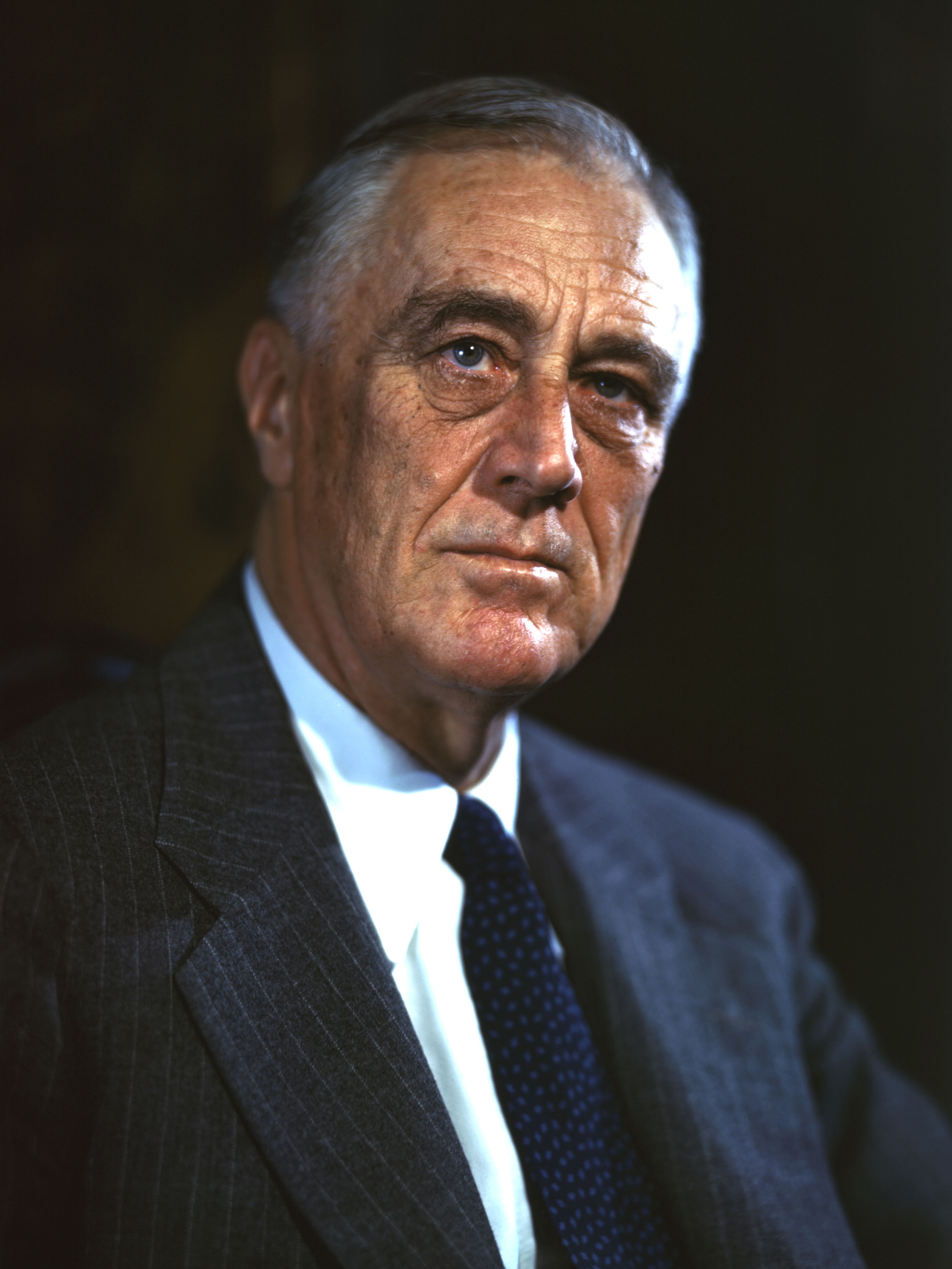
Franklin D. Roosevelt
U.S.A.

Social Media

Personal Background
Franklin D. Roosevelt was born into a prominent family and received an elite education, attending exclusive preparatory schools and Harvard College. He developed early leadership skills, serving as editor-in-chief of The Harvard Crimson. After leaving Columbia Law School, he engaged in public service, endorsing political campaigns and chairing state park commissions. Despite a paralytic illness, he led New York as governor, implementing significant economic and social reforms. His presidential campaign focused on a "New Deal" to address the Great Depression, leading to transformative legislative changes.
Political Ideas
Franklin D. Roosevelt's political identity is marked by a blend of progressive economic policies and an innovative use of communication. He championed unprecedented government intervention in the economy, including securities regulation and public works, yet his approach was often tailored to local needs. Roosevelt's rhetorical style, especially his "fireside chats," humanized his policy decisions, making complex economic strategies relatable. His political record reveals a surprising willingness to collaborate across party lines, notably on environmental regulations, suggesting a deeply strategic approach to governance.