Frank Brown
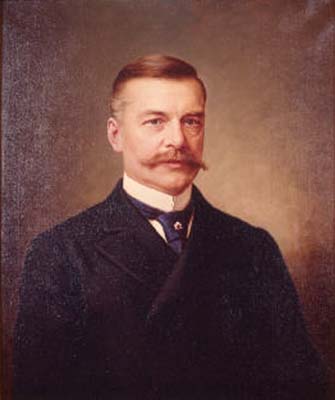
Frank Brown
U.S.A.

Social Media

Personal Background
Frank Brown spent his formative years in Maryland, receiving early education across various counties. He began his career in Baltimore, working at R. Sinclair and Company and later serving as a clerk at a state tobacco warehouse. Brown transitioned into public service, holding various roles within the Maryland House of Delegates and the Democratic State Central Committee. He managed the postmaster office in Baltimore, where he implemented significant postal system improvements. Brown's tenure as Governor of Maryland was marked by his efforts to reorganize state institutions, including the agricultural college and tobacco warehouse system, and his advocacy for child labor legislation. His leadership extended to the World's Columbian Exposition in Maryland and later roles in the private sector, including serving as president of the Capital Traction Company.
Political Ideas
Frank Brown's political career reveals a unique blend of progressive labor reforms and non-partisan fiscal responsibility. He negotiated with strikers during the 1894 coal strike while simultaneously advocating for a non-partisan tax conference, showcasing an ideologically agile approach. Brown's support for legislation banning child labor and his efforts to incorporate the Baltimore College of Dental Surgery suggest a progressive stance on social issues, yet his commutation of death sentences for four black men hints at a more complex view on criminal justice. This juxtaposition of progressive and conservative actions raises questions about the underlying rationale behind his policy choices.