Eugene Siler
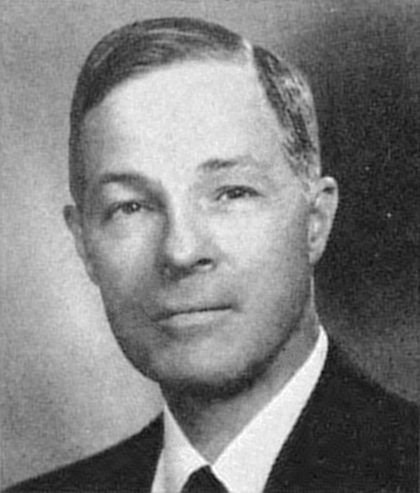
Eugene Siler
U.S.A.

Social Media

Personal Background
Eugene Siler holds a robust educational background, having graduated from Cumberland College and the University of Kentucky, and later attending law school at Columbia University. He began his career as a small-town lawyer in Williamsburg before serving in both World War I and World War II. Siler transitioned into judicial and political roles, including being elected as a judge and later serving in the House of Representatives, where he was known for his fiscal conservatism and social conservatism. He notably opposed high spending and advocated for measures such as banning liquor and beer advertising and supporting Bible reading in schools.
Political Ideas
Eugene Siler's political identity is marked by a unique blend of social conservatism and fiscal vigilance, with notable exceptions for policies benefiting his home district. His legislative record reveals an unexpected convergence with opposing factions on environmental regulations, revealing a highly calculated approach to protecting regional industrial interests. Siler's rhetorical style is steeped in a devout Baptist ethos, which he seamlessly integrates into his policy advocacy for moral issues in public education. Despite his conservative leanings, Siler's opposition to U.S. involvement in Vietnam and his votes in favor of certain civil rights measures showcase a complex ideological landscape that challenges conventional categorizations.