Ernest W. Gibson Jr.
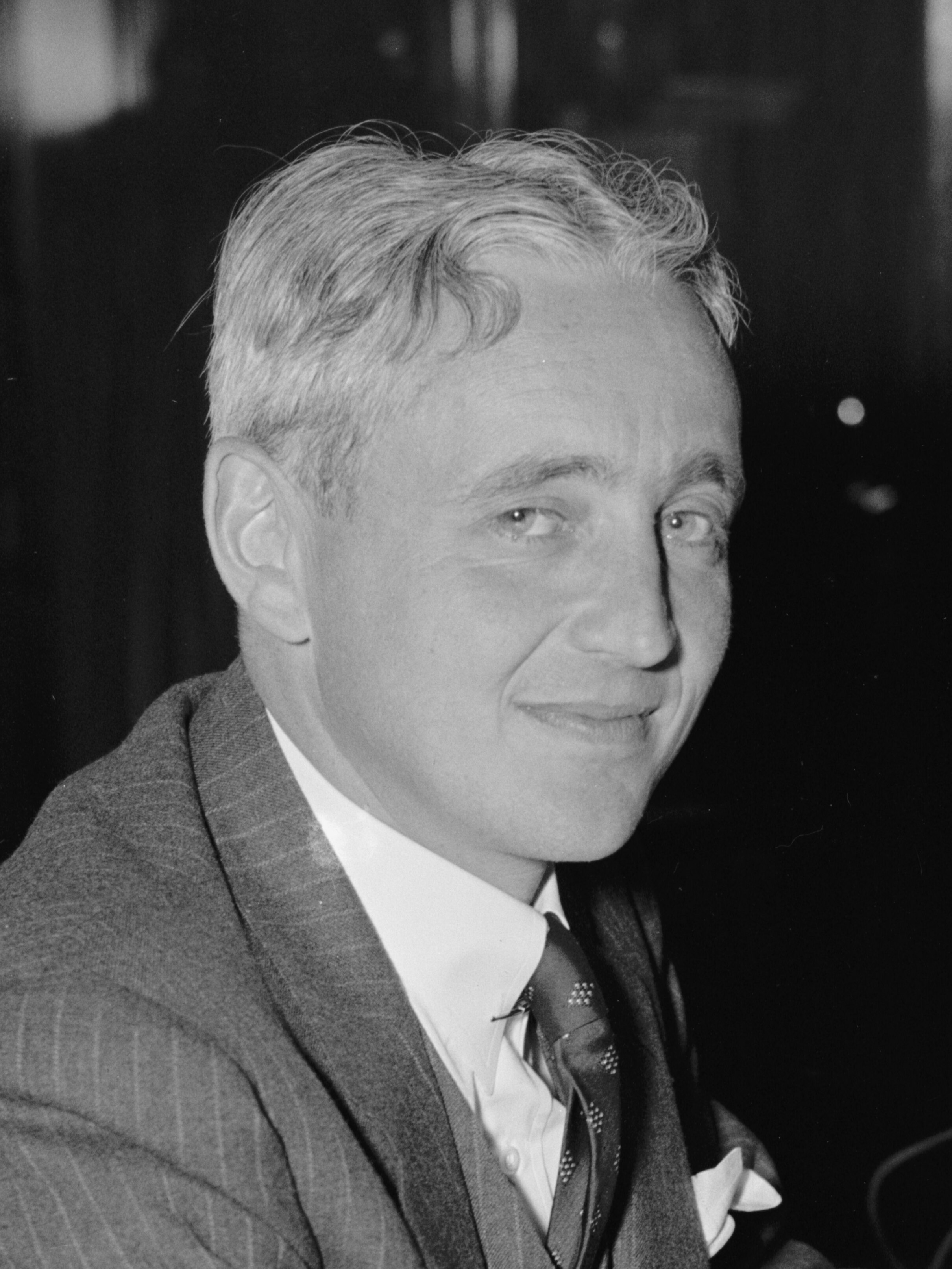
Ernest W. Gibson Jr.
U.S.A.

Social Media

Personal Background
Ernest W. Gibson Jr. holds a robust academic background, having earned a bachelor's degree and attended law school, before being admitted to the bar. He began his career in law and held various state positions, including serving as State's Attorney and Secretary of the Vermont Senate. Gibson Jr. transitioned into military service during World War II, rising to the rank of colonel and earning several commendations. After his military service, he served as Governor of Vermont, where he championed increased state services and infrastructure. He later became a federal judge, culminating in his role as Chief Judge for the District of Vermont.
Political Ideas
Ernest W. Gibson Jr.'s political identity is marked by a blend of progressive advocacy and military valor. His tenure as Governor of Vermont saw him champion increased state services and infrastructure, funded by a notable hike in state income tax. Gibson Jr.'s military service, culminating in the rank of colonel, and his pre-war advocacy for aiding the Allies, reveal a strategic thinker who balances regional development with a commitment to global stability. His willingness to challenge established norms within the Republican party, such as the Mountain Rule, underscores a readiness to disrupt conventional political dynamics.