Elizabeth Kee
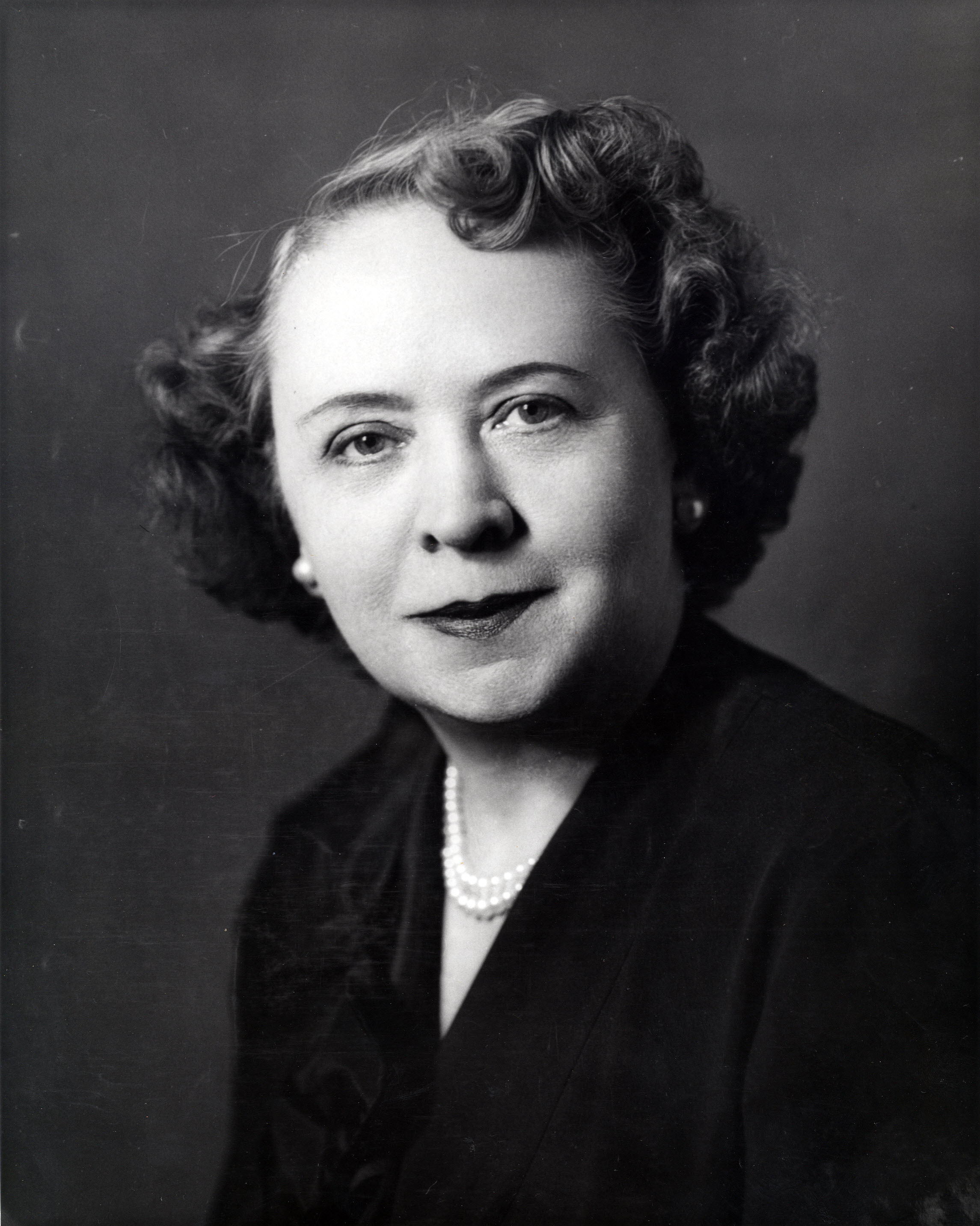
Elizabeth Kee
U.S.A.

Social Media

Personal Background
Elizabeth Kee began her career in secretarial and court reporting roles before entering politics through her marriage to John Kee, a congressman. After his death, she won a special election to succeed him, serving in Congress for nearly 14 years. During her tenure, she chaired the Veterans' Hospitals Subcommittee and contributed to significant legislative efforts, including support for civil rights and economic redevelopment. Her career achievements and transitions reflect a trajectory from administrative roles to impactful congressional leadership.
Political Ideas
Elizabeth Kee's political identity is marked by a strategic blend of progressive civil rights advocacy and regional economic pragmatism. While she consistently supported early civil rights legislation, her abstention on the 1964 Civil Rights Act hints at a nuanced approach to racial equality. Kee's legislative focus on West Virginia’s economic redevelopment and public works projects reveals a localized commitment to regional prosperity. Her role in veterans' affairs, particularly as Chair of the Veterans' Hospitals Subcommittee, underscores a dedication to improving veterans' conditions, suggesting a policy stance that balances broader national interests with localized needs.