Edward Rutledge
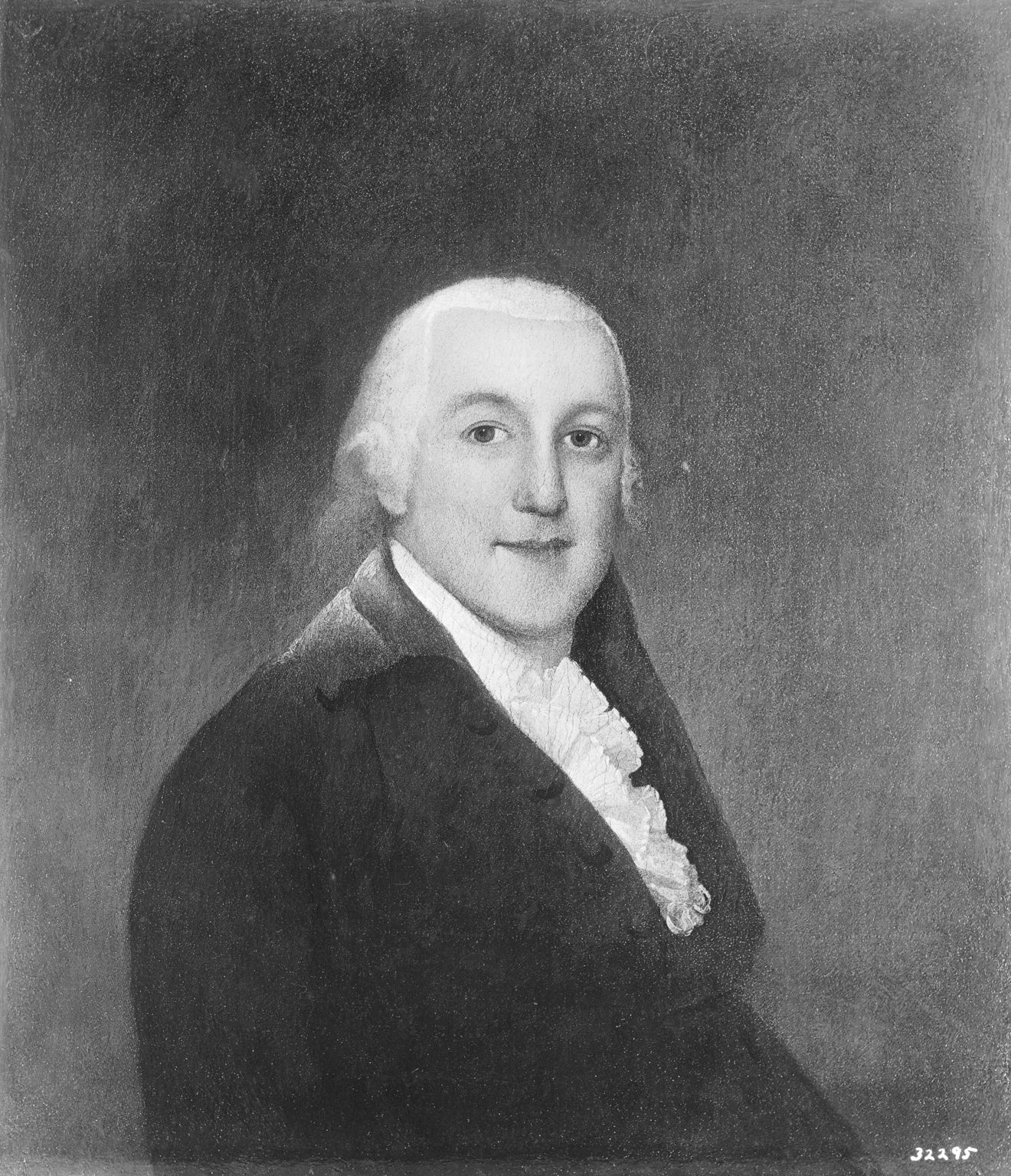
Edward Rutledge
U.S.A.

Social Media

Personal Background
Edward Rutledge, a prominent figure in Charleston, practiced law after being admitted to the English bar. He established a successful law practice and became a leading citizen of Charleston, managing significant personal and professional responsibilities. Rutledge transitioned to public service, serving in the General Assembly and later as governor of South Carolina. His career was marked by notable policy stances, including opposition to the Jay Treaty and advocacy for the confiscation of Loyalist property. Rutledge's tenure in public office was characterized by a shift in political alliances and a commitment to state interests.
Political Ideas
Edward Rutledge's political identity is marked by a strategic blend of regional economic interests and ideological agility. He opposed the Jay Treaty, aligning with anti-Federalist sentiments while simultaneously supporting John Adams's defense policies during the Quasi-War, showcasing a nuanced approach to foreign policy. Rutledge's advocacy for the confiscation of Loyalist property reveals a hardline stance on revolutionary justice, yet his later estrangement from Thomas Jefferson highlights a willingness to diverge from partisan alignments. His political maneuvers suggest a deeply localized strategy, balancing national affiliations with the protection of South Carolina's interests.