Edward Coles
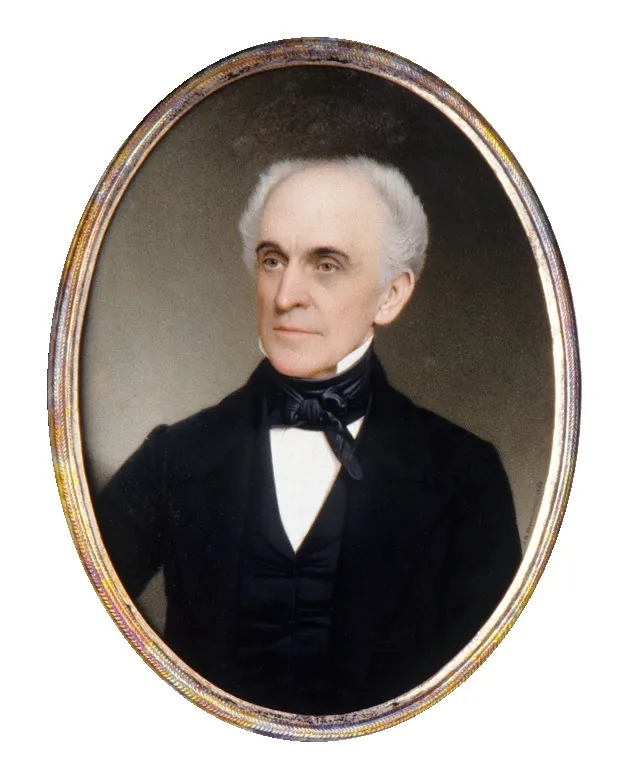
Edward Coles
U.S.A.

Social Media

Personal Background
Edward Coles spent formative years under the tutelage of notable figures such as Wilson Cary Nicholas and Mr. White, followed by higher education at Hampden-Sydney College and the College of William and Mary. Influenced by James Madison's anti-slavery teachings, he inherited a plantation but ultimately decided against becoming a slaveholder. Despite facing financial and familial challenges, Coles remained committed to his anti-slavery principles, manumitting his own slaves. His career included service on a committee investigating the U.S. Bank and contributions to historical scholarship.
Political Ideas
Edward Coles's political identity is marked by an ideological tension between his early anti-slavery convictions and the socio-economic constraints of his time. Despite his principled stance against slavery, Coles's inability to free his own slaves highlights a conflict between moral ideals and practical limitations. His legislative efforts to influence other slaveholders and his eventual emancipation of his slaves showcase a deeply principled yet constrained approach. Coles's rhetorical style is one of moral urgency, framing slavery as a fundamental moral issue while navigating the complexities of Southern society. His unique stance on education, influenced by Enlightenment ideals, further distinguishes his ideological positioning.