Edmund Davis
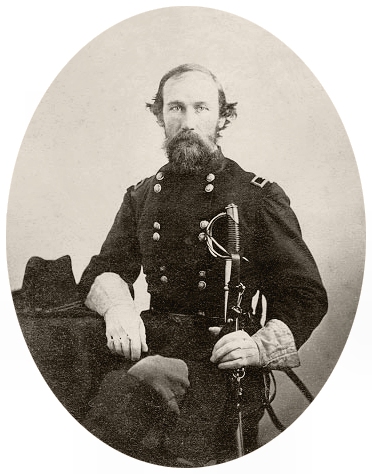
Edmund Jackson Davis
U.S.A.

Social Media

Personal Background
Edmund Davis began his career in public service early, serving as an inspector and deputy collector of customs before becoming a district attorney. He later held judicial positions in multiple districts. During the Civil War, Davis opposed secession and was appointed a brigadier general of volunteers by President Lincoln. After the war, he played a significant role in the Texas Constitutional Convention and was elected governor, focusing on civil rights and the establishment of state police and militias. Despite facing opposition, Davis remained committed to the civil rights of African Americans throughout his career.
Political Ideas
Edmund Davis's political identity is marked by a steadfast commitment to civil rights and loyalty to the Union, even as it juxtaposes an unexpected support for regional military structures. His creation of the Texas State Police and the "State Guard of Texas" reveals a nuanced strategy to safeguard African American rights through localized enforcement mechanisms. Davis's ideological positioning, advocating for the division of Texas into smaller states to ensure Republican control, highlights a calculated approach to political realignment. His rhetoric consistently frames civil rights as a foundational element of governance, yet his support for state militias suggests an intricate balance between federal oversight and local empowerment.