Ebenezer J. Ormsbee
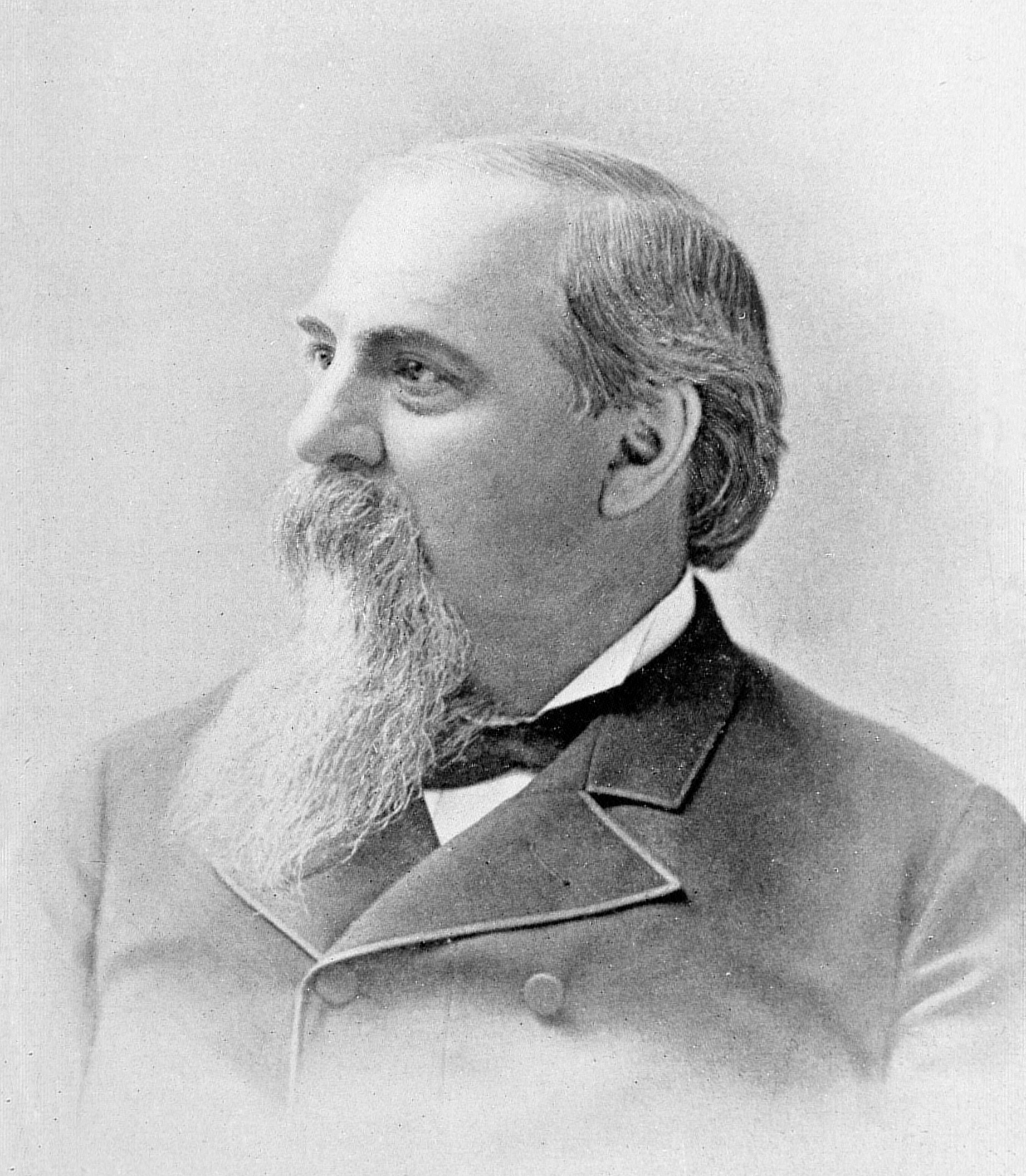
Ebenezer J. Ormsbee
U.S.A.

Social Media

Personal Background
Ebenezer J. Ormsbee studied law and practiced in Brandon, gaining admission to the Rutland County bar in 1861. He served in the American Civil War, rising to the rank of captain, and later transitioned to a career in public service and politics. Ormsbee held various roles, including state committee member, state's attorney, and legislative service in both the Vermont House of Representatives and Senate. He also served as Lieutenant Governor, where he proposed revisions to the state's education laws and oversaw the initial work of Vermont's new railroad commission and board of health. Ormsbee's later career included diplomatic roles, such as a commissioner for treaty negotiations with the Paiute Indians and U.S. Land commissioner in Samoa.
Political Ideas
Ebenezer J. Ormsbee's political philosophy is marked by a distinctive blend of local pragmatism and principled rigidity. He demonstrates an ideological agility in balancing state-specific economic reforms with staunch opposition to Confederate symbols, revealing a nuanced approach to heritage and progress. Ormsbee's role in negotiating with Indigenous groups and foreign land claims further underscores his calculated, multifaceted strategy. His rhetorical style consistently frames policy decisions through a lens of historical respect and regional interest, making his positions both unexpected and thought-provoking.