Earl Warren
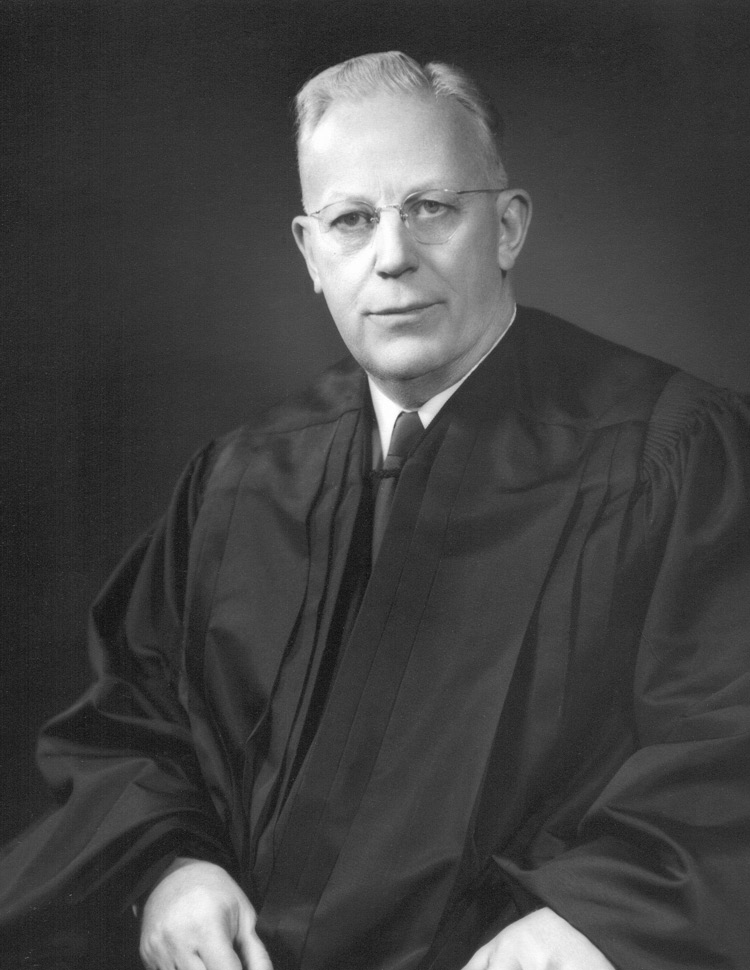
Earl Warren
U.S.A.

Social Media

Personal Background
Earl Warren's foundational background includes a robust educational foundation, extensive legal experience, and significant public service roles. He graduated from Kern County High School and earned a Bachelor of Laws from UC Berkeley. His early career involved legal work with notable firms and public service roles, including positions as a clerk and district attorney. Warren's leadership capabilities were demonstrated through his tenure as governor of California before serving as Chief Justice of the United States Supreme Court.
Political Ideas
Earl Warren's political identity is marked by an intriguing blend of progressive judicial advocacy and conservative economic enforcement. His vigorous enforcement of Prohibition and hard stance against labor unions during the Great Depression contrast sharply with his later advocacy for civil liberties and anti-corruption measures. Warren's tenure as Chief Justice saw landmark decisions like Brown v. Board of Education, showcasing a commitment to civil rights that seemed at odds with his earlier support for eugenics and land confiscation from Japanese Americans. His approach to the Watergate scandal, where he ensured the release of Nixon's tapes, further reveals a calculated strategy to uphold judicial independence and accountability.