Earl L. Brewer
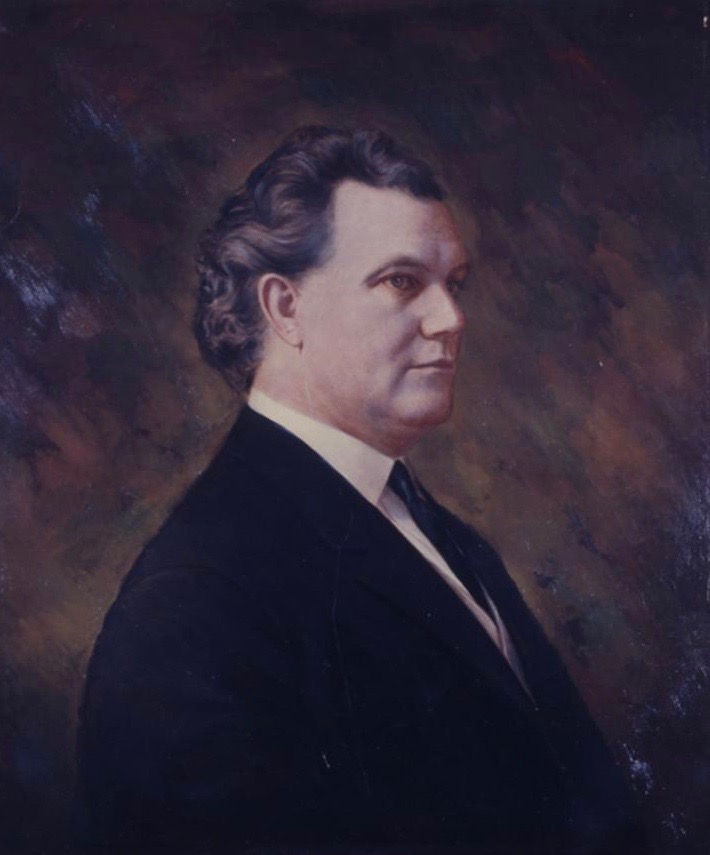
Earl L. Brewer
U.S.A.

Social Media

Personal Background
Earl L. Brewer holds a foundational background rooted in legal practice and public service. He obtained a Bachelor of Law degree and practiced law, gaining notable experience with high-profile cases. Brewer transitioned into politics, serving in the Mississippi State Senate and as district attorney before being elected governor. During his tenure, he promoted progressive reforms in various sectors, including public health and criminal justice. Post-governorship, he continued to practice law, representing significant cases that challenged segregation and advocated for criminal justice reforms.
Political Ideas
Earl L. Brewer's political identity is marked by a blend of progressive reforms and unexpected alliances, particularly in education and criminal justice. His advocacy for school desegregation, despite losing the Lum v. Rice case, and his landmark success in Brown v. Mississippi, where he challenged coerced confessions, reveal a highly calculated approach to civil rights. Brewer's willingness to engage with scientific research to address public health crises, such as the pellagra epidemic, showcases an ideologically agile stance that prioritizes empirical evidence over entrenched norms.