Dwight D. Eisenhower
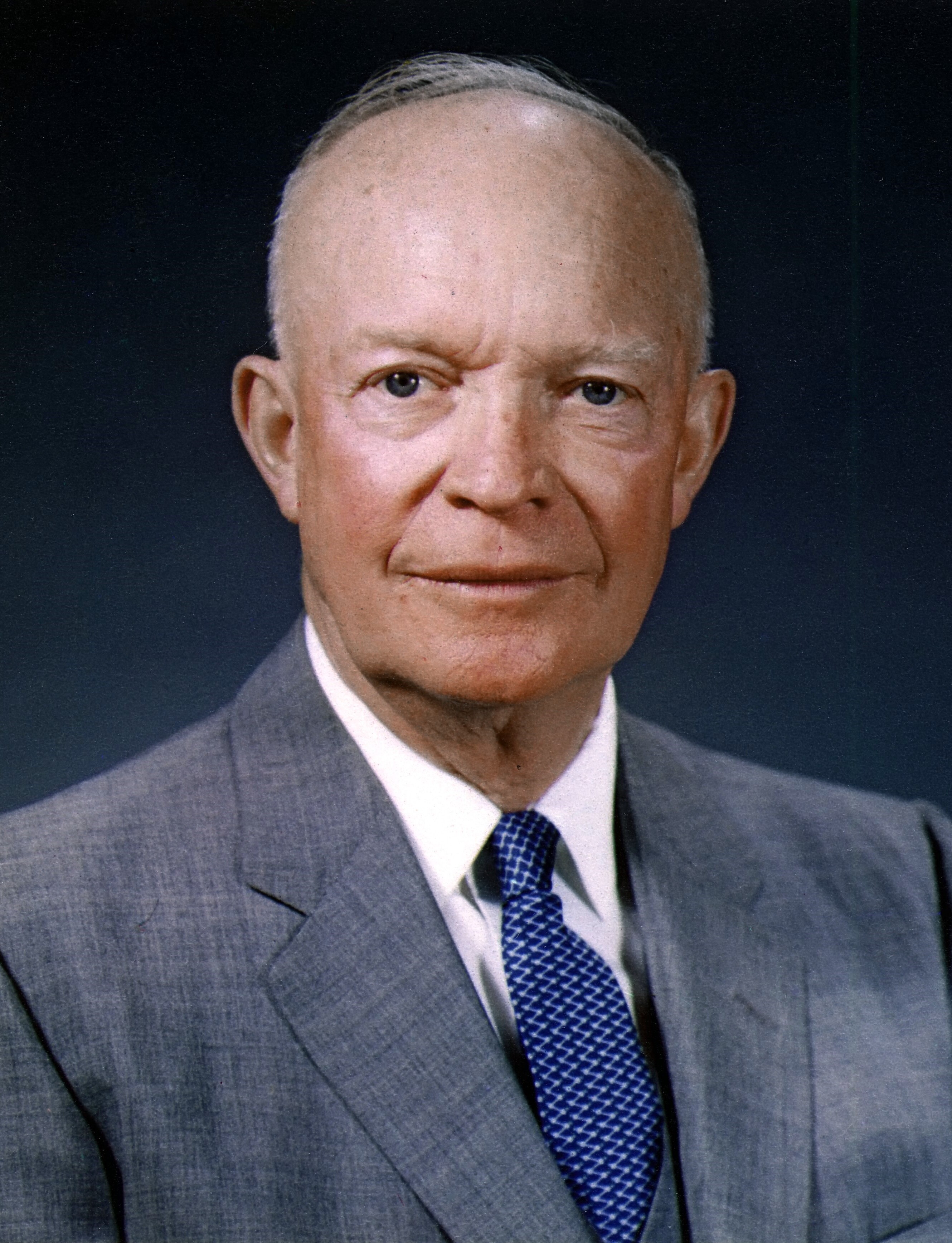
Dwight D. Eisenhower
U.S.A.

Social Media

Personal Background
Dwight D. Eisenhower's foundational background is rooted in a rigorous educational path and extensive military experience. Graduating from West Point, he honed his leadership skills through various military roles, including coaching and logistics. His military career saw significant promotions and command positions, particularly during World War II, where he led the European Theater of Operations. Eisenhower's professional expertise is characterized by his ability to manage large-scale operations and his commitment to integrating the Armed Services. His educational background and military leadership provide a strong foundation for his subsequent roles in public service.
Political Ideas
Dwight D. Eisenhower's political identity is marked by an intriguing blend of conservative fiscal policy with progressive social reforms. His approach to balancing the budget while expanding Social Security reveals a strategic tension between restraint and expansion. Eisenhower's foreign policy stance, advocating for nuclear deterrence while committing to foreign trade and the United Nations, showcases a calculated balance between defense and diplomacy. His integration of the Armed Services within two years of taking office highlights a surprising progressive stance on social issues, juxtaposed with his conservative fiscal measures.