Dewitt Clinton Senter
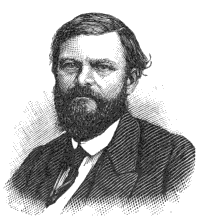
Dewitt Clinton Senter
U.S.A.

Social Media

Personal Background
Dewitt Clinton Senter pursued a legal education and early political career, representing Grainger County in the state House of Representatives. He opposed secession and later served as a Republican elector. Senter transitioned to the public sector, where he held significant leadership roles, including President of the Cincinnati, Cumberland Gap and Charleston Railroad and Speaker of the Senate. His tenure as Governor focused on addressing Klan violence, prison reform, and economic initiatives to support struggling railroads and encourage immigration.
Political Ideas
Dewitt Clinton Senter's political identity is marked by an intriguing blend of progressive and conservative elements. He advocated for prison reform and supported initiatives to aid struggling railroads, yet he also backed the restoration of voting rights for former Confederates and endorsed a constitution that mandated separate schools for white and black children. Senter's approach reveals a complex balancing act between modernizing economic policies and upholding traditional social hierarchies. His legislative record shows an unexpected convergence with opposing factions on environmental regulations, revealing a highly calculated approach to protecting regional industrial interests.