David Walker
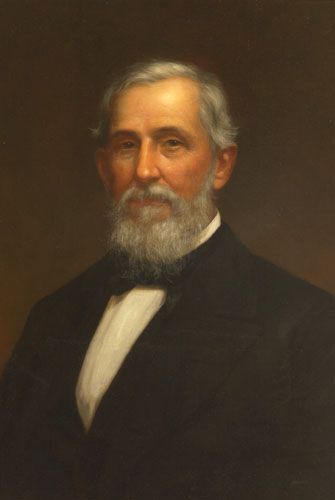
David Shelby Walker
U.S.A.

Social Media

Personal Background
David Walker, hailing from a politically influential family, pursued a legal education and entered politics as a Whig. He held various positions in the Florida State Legislature and served as mayor of Tallahassee. Walker advocated for public education and infrastructure, establishing public schools and Tallahassee's first library. He later became Florida Supreme Court Justice and governor, overseeing Florida's transition from Reconstruction to readmission into the Union. Walker's tenure was marked by a conservative approach that maintained antebellum systems, and he ultimately returned to the practice of law and judiciary roles.
Political Ideas
David Walker's political identity is marked by a conservative approach that paradoxically supports progressive public infrastructure initiatives. His establishment of Tallahassee's first public library and public schools reveals an unexpected commitment to public welfare, despite his conservative stance on maintaining antebellum systems. Walker's support for the 1868 Constitution, which was less favorable to African Americans, juxtaposed with his earlier opposition to secession, showcases a complex and sometimes contradictory ideological framework.