David Lawrence
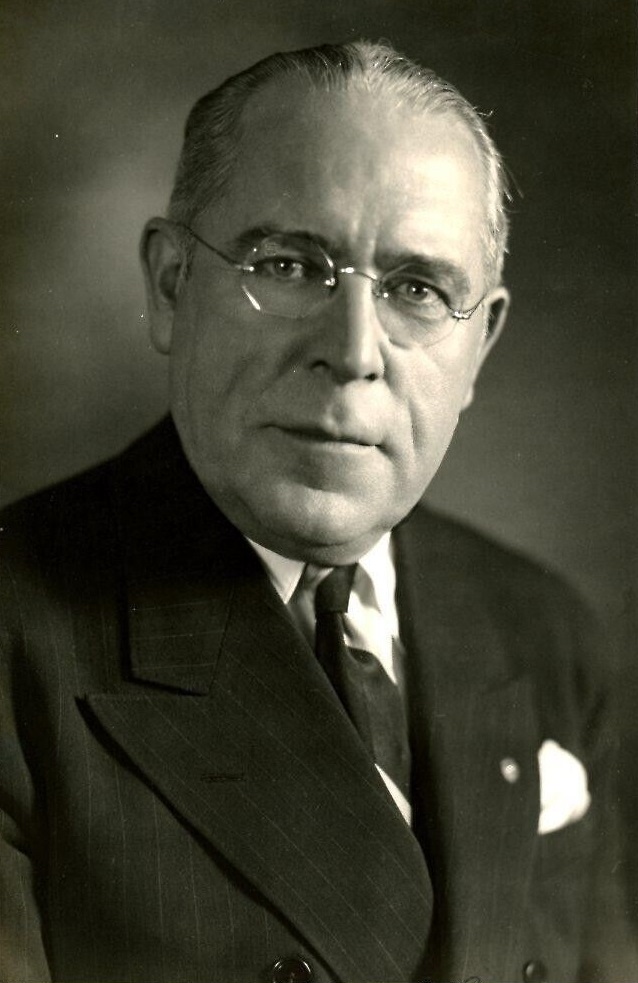
David Lawrence
U.S.A.

Social Media

Personal Background
David Lawrence began his career in the insurance industry and served as an officer in the adjutant general's office during World War I. He transitioned into politics, holding various leadership roles within the Democratic Party in Pittsburgh and Pennsylvania. Lawrence served four terms as mayor of Pittsburgh and became Pennsylvania's first Catholic governor in 1958. During his tenure, he enacted significant legislation on civil rights, environmental protection, and housing. He also founded the Finnegan Foundation to support student internships. After retiring from elected office, Lawrence continued his public service by chairing the President's Committee on Equal Opportunities in Housing.
Political Ideas
David Lawrence's political career is marked by an ideological fluidity that defies easy categorization, blending progressive social policies with fiscal conservatism. His legislative record reveals an unexpected convergence with opposing factions on environmental regulations, suggesting a highly calculated approach to protecting regional industrial interests. Lawrence's rhetorical style is deeply rooted in his working-class background, often emphasizing community and local governance while navigating national party dynamics with surprising agility. Despite his progressive achievements, his fiscal management as governor highlights a tension between his liberal social policies and a more conservative approach to public spending. This conceptual tension invites deeper inquiry into how Lawrence reconciles these seemingly disparate elements in his political philosophy.