David L. Swain
David L. Swain
U.S.A.
Social Media

Personal Background
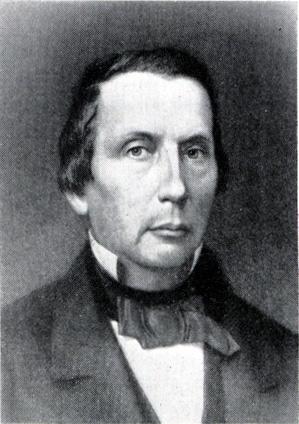
David L. Swain pursued legal studies, attending the New Academy and briefly the University of North Carolina before studying law and being admitted to the bar in 1823. He began his career in public service as a representative in the North Carolina General Assembly and later served as a state Superior Court judge. Swain became the youngest governor in North Carolina history and the first from the Whig Party, during which he championed internal improvements and education. He then dedicated 33 years as president of the University of North Carolina, significantly contributing to its growth. Despite representing North Carolina at a Confederate convention and declining a Senate position, Swain negotiated the surrender of Raleigh during the Civil War and later advised President Andrew Johnson on Reconstruction policies.
Political Ideas
David L. Swain's political identity is marked by a blend of progressive economic policies and a cautious approach to Confederate politics. His advocacy for internal improvements and education during his governorship contrasts with his reluctance to take a formal Confederate Senate position. Swain's negotiation of Raleigh's surrender and his advisory role in Reconstruction policies highlight a strategic balancing act between regional loyalty and national reconciliation.