Daniel Lindsay Russell
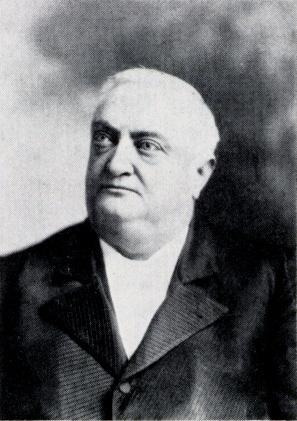
Daniel Lindsay Russell
U.S.A.

Social Media

Personal Background
Daniel Lindsay Russell's foundational background is rooted in a combination of military service, legal expertise, and political leadership. He served in the Confederate Army during the American Civil War and later pursued a legal career, gaining admission to the bar and establishing a practice in Wilmington. Russell's political career began with an election to the North Carolina General Assembly House of Commons, followed by a judicial appointment and various legislative roles. His leadership extended to significant constitutional and electoral reforms, including the extension of voting rights and the reduction of property requirements for voters.
Political Ideas
Daniel Lindsay Russell's political career reveals a strategic blend of progressive civil rights advocacy with pragmatic economic conservatism. His support for reducing property requirements for voters demonstrates a commitment to expanding the franchise, yet his economic policies reflect a cautious approach to broader systemic changes. Russell's ideological positioning is further complicated by his shift from Union sympathizer to a Republican during Reconstruction, and later, his alliance with the Populist Party, showcasing a willingness to transcend traditional party lines for political efficacy.