Daniel Haines
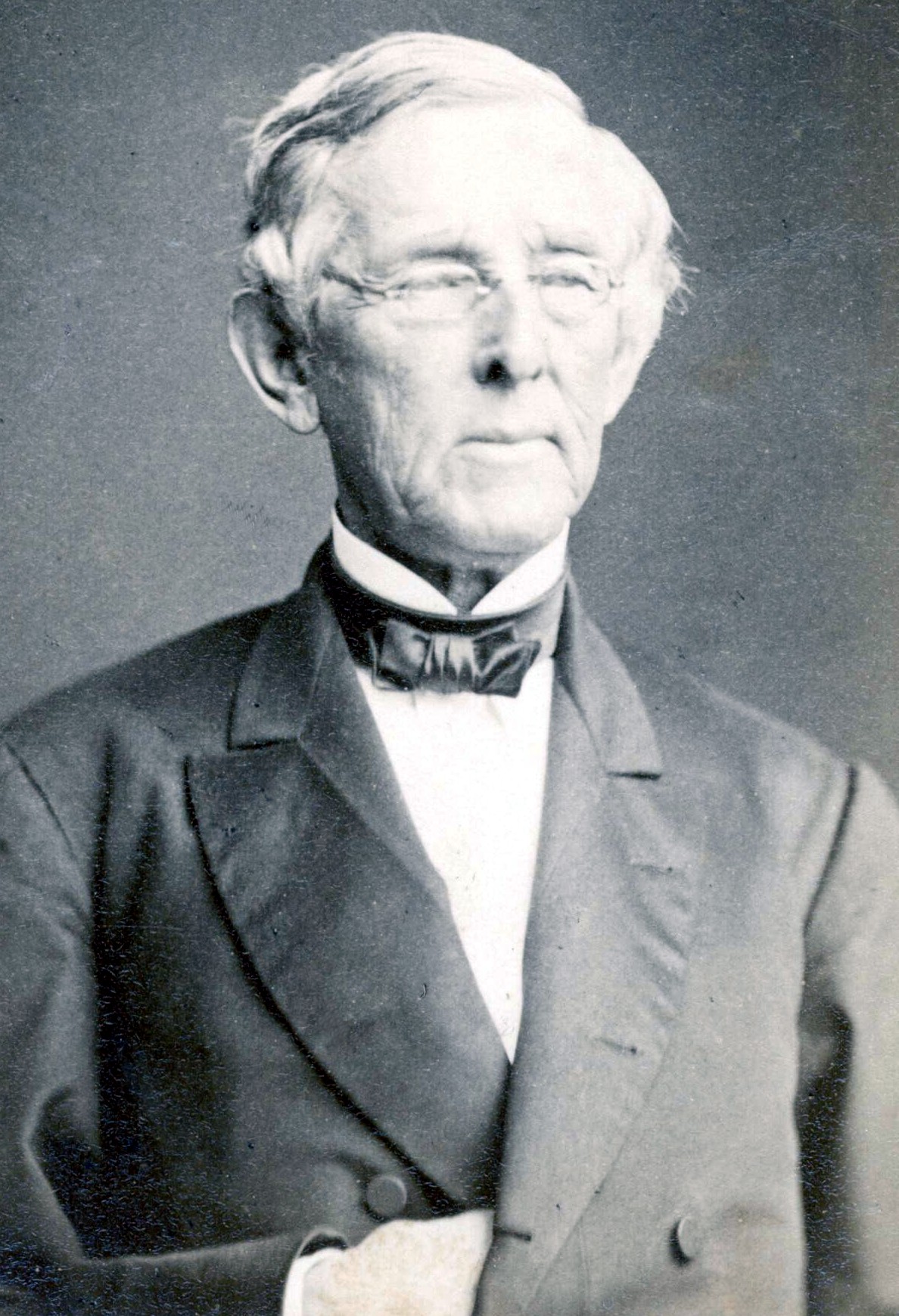
Daniel Haines
U.S.A.

Social Media

Personal Background
Daniel Haines graduated from Princeton University and began his legal career in New York. He transitioned into public service, gaining local influence and eventually being elected to the New Jersey Legislative Council. Haines was appointed to the New Jersey Supreme Court, where he served for over a decade, earning praise for his impartiality. He remained active in political circles, supporting various candidates and causes, and became a prominent advocate for prison reform, leading studies and holding leadership roles in reform organizations.
Political Ideas
Daniel Haines's political journey reveals a complex ideological positioning, oscillating between states' rights and federal authority, particularly evident in his early support for Andrew Jackson but later alignment with Union causes. His unexpected opposition to Abraham Lincoln initially, followed by fervent Union support post-Fort Sumter, highlights a strategic adaptability rather than rigid ideological dogma. Haines's involvement in prison reform, coupled with his leadership roles in national reform associations, underscores a commitment to progressive social policies that contrasts with his conservative economic stances. This juxtaposition of progressive social reform advocacy with conservative economic policies presents an intriguing conceptual tension in Haines's political identity.