Daniel Gould Fowle
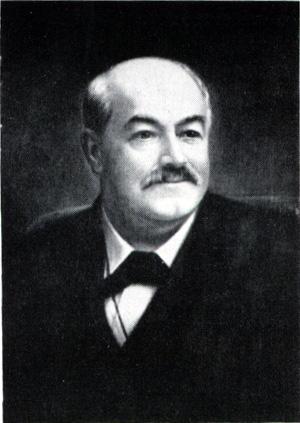
Daniel Gould Fowle
U.S.A.

Social Media

Personal Background
Daniel Gould Fowle, born in Washington, North Carolina, pursued his education at Bingham Academy and Princeton University, followed by legal studies at Richmond Hill Law School. He began his career practicing law in Raleigh, North Carolina. During the Civil War, Fowle served in the North Carolina Militia, rising to the rank of lieutenant colonel, and was elected to the state legislature in 1862 and 1864. He also served as Adjutant General until resigning in fall 1863. Post-war, he became the state chairman of the Democratic Party in 1868 and was later elected governor in 1888. As governor, Fowle established a state railroad commission and championed women's education.
Political Ideas
Daniel Gould Fowle's political identity is marked by a strategic blend of progressive advocacy and pragmatic conservatism. He established a state railroad commission to protect farmers, indicating a localized approach to economic issues. Fowle's advocacy for women's education reveals an ideological flexibility uncommon in his era. His legislative actions often bridged traditional divides, suggesting a calculated method to address regional concerns. Despite his progressive stances, Fowle's political maneuvers reveal a nuanced understanding of balancing reform with stability.