Daniel Dunklin
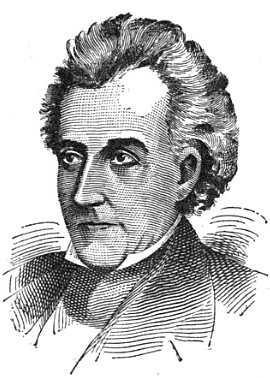
Daniel Dunklin
U.S.A.

Social Media

Personal Background
Daniel Dunklin spent his formative years in various regions, including South Carolina, Kentucky, and Missouri, before settling in the area around present-day Potosi. He engaged in military service, mining, tavern operation, and law practice. Dunklin transitioned into public service, holding positions such as sheriff and participating in the Missouri constitutional convention. He later served in the state House of Representatives and as Lieutenant Governor, culminating in his election as Missouri's fifth Governor. During his governorship, Dunklin focused on debt reduction, county expansion, and penal system reform, as well as establishing public and higher education frameworks.
Political Ideas
Daniel Dunklin's political philosophy reveals a unique blend of fiscal conservatism and progressive social reforms. He opposed the Second Bank of the United States while advocating for state-level internal improvements, showing an ideologically agile approach to economic policy. Dunklin's support for hard-money currency and opposition to high tariffs align with Jacksonian Democratic principles, yet his commitment to penal system reform and public education funding suggests an unexpected progressive streak. His strategic use of political patronage indicates a highly localized and calculated approach to governance.