Clyde Herring
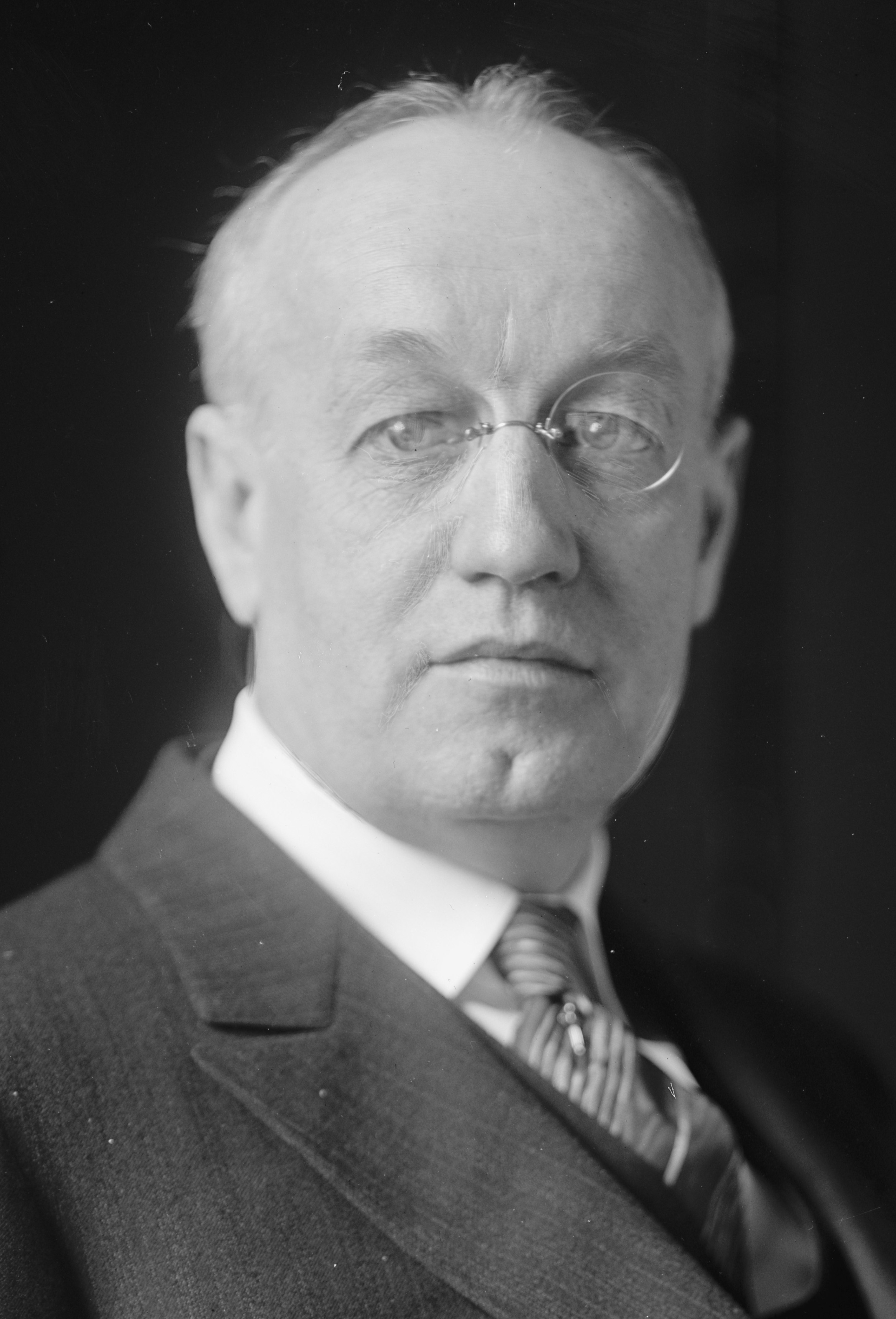
Clyde L. Herring
U.S.A.

Social Media

Personal Background
Clyde Herring began his career as a jewelry clerk in Detroit before serving in the military during the Spanish–American War. He then transitioned to ranching and farming, eventually becoming a Ford agent and acquiring substantial real estate in Des Moines. During World War I, he led local fundraising efforts and advised the federal government on war supply production. Despite unsuccessful bids for governor and the United States Senate, he remained active in Democratic politics, serving on the Democratic National Committee. Post-Senate, he returned to the automobile industry and was appointed by President Roosevelt to a wartime administrative role.
Political Ideas
Clyde Herring's political career reveals an intriguing blend of military service and economic pragmatism, punctuated by a surprising advocacy for wartime production efficiency. His background in ranching and farming, coupled with significant real estate investments, suggests a deeply rooted connection to the Midwest's agrarian and industrial sectors. Despite his Democratic affiliations, Herring's support for expediting war supply production during World War I indicates a willingness to transcend partisan lines for national objectives. His later appointment by President Roosevelt further underscores a capacity to operate within federal frameworks while maintaining a local focus.