Clinton B. Fisk
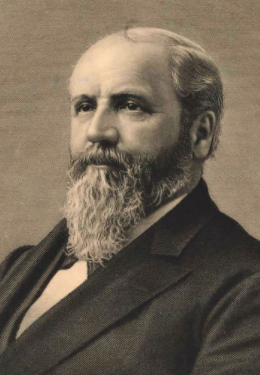
Clinton B. Fisk
U.S.A.
Social Media

Personal Background
Clinton B. Fisk was born in 1828 in New York and pursued higher education at Michigan Central College. He experienced significant financial challenges during the Panic of 1857, which led him to relocate to St. Louis, Missouri, and enter the insurance industry. Fisk's career trajectory shifted dramatically when he enlisted in the Union Army during the Civil War, ultimately rising to the rank of brevet major general. Post-war, he served in the Freedmen's Bureau and was appointed to the Board of Indian Commissioners by President Ulysses S. Grant. Fisk was also a prominent figure in the prohibition movement, running for governor of New Jersey and serving as the Prohibition Party's presidential nominee in 1888.
Political Ideas
Clinton B. Fisk's political identity is marked by a unique blend of military leadership and moralistic reformism. His military career, rising from private to brevet major general, contrasts sharply with his fervent advocacy for prohibition and racial equality in education. Fisk's strategic philanthropy, such as endowing Fisk University and supporting free schools in the South, reveals a calculated approach to societal transformation. His ideological agility is evident in unexpected alliances on economic and educational reforms, suggesting a deeply rooted commitment to both regional stability and progressive change.