Clement Vallandigham
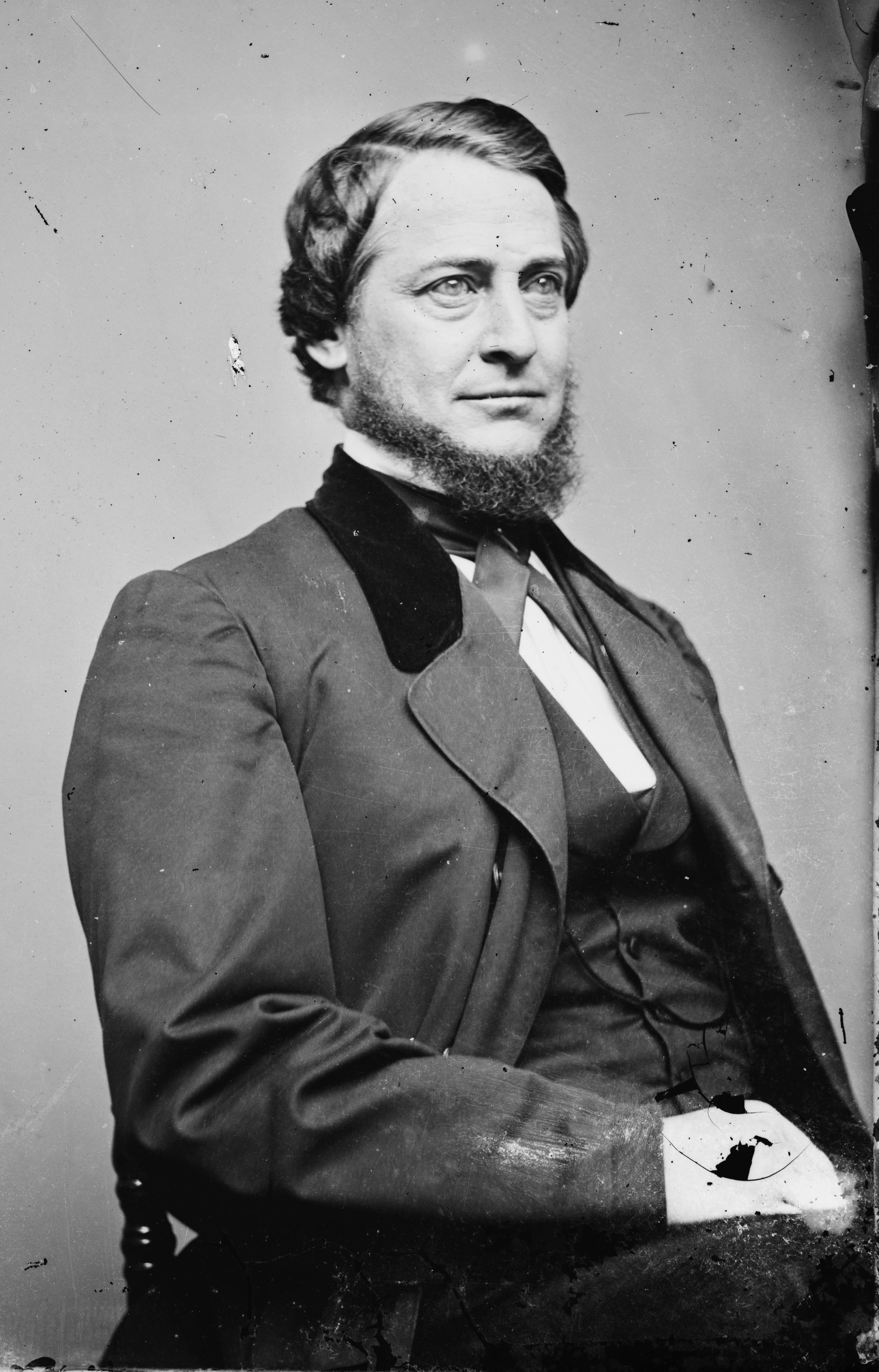
Clement Vallandigham
U.S.A.

Social Media

Personal Background
Clement Vallandigham, educated at home by his father, a Presbyterian minister, had a notable dispute with the college president at Jefferson College, leading to his dismissal without a degree. He developed a close relationship with Edwin M. Stanton, who supported his legal studies. Vallandigham spent a significant portion of his career in high-stakes legal practice, highlighted by a tragic incident during a court demonstration that resulted in his death. His professional expertise and leadership were marked by a strong stance against the abolition of slavery and a critical view of the Civil War's objectives.
Political Ideas
Clement Vallandigham's political identity is marked by a striking ideological dichotomy, opposing abolition while maintaining a close friendship with an abolitionist like Edwin M. Stanton. His rhetoric sharply critiques the Civil War's aims, suggesting it had morphed into a crusade against white liberty rather than a fight to preserve the Union. Vallandigham's approach reveals a calculated, perhaps contrarian, stance on regional industrial interests, as evidenced by his unexpected alignment with opposing factions on environmental regulations. His dramatic death during a courtroom demonstration underscores a life of bold, sometimes perilous, convictions.