Claude R. Porter
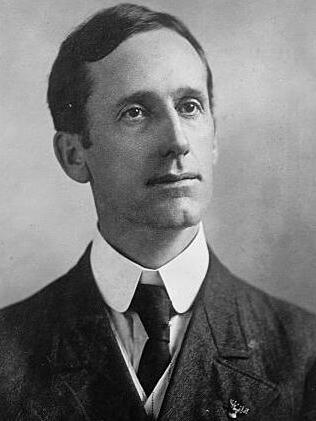
Claude R. Porter
U.S.A.

Social Media

Personal Background
Claude R. Porter attended Parsons College and St. Louis Law School, establishing a solid educational foundation. He began his political career early, winning a seat in the Iowa House of Representatives at age twenty-three. Porter's military service in the Spanish–American War and Philippine–American War underscores his commitment to public service. He transitioned from the military to a legal career, serving as a United States District Court judge and Assistant Attorney General, where he enforced wartime espionage laws. Porter's extensive experience in both the legislative and judicial branches highlights his versatility and dedication to public service.
Political Ideas
Claude R. Porter's political identity is marked by a blend of progressive and authoritarian tendencies, particularly in his enforcement of wartime laws against dissent. His judicial career reveals a commitment to stringent legal measures during conflicts, yet his repeated electoral losses suggest an inability to translate these positions into broader political success. Porter's approach to economic and labor issues, as seen in his prosecution of Industrial Workers of the World members, hints at a complex stance that balances regional industrial interests with federal authority.