Charles Wilbert Snow
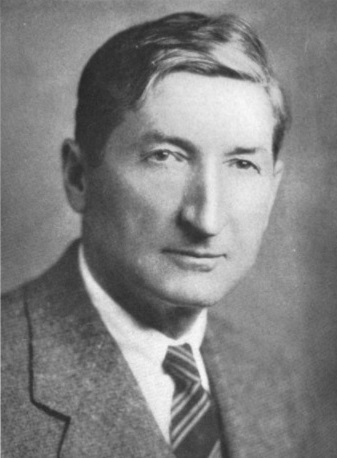
Charles Wilbert Snow
U.S.A.

Social Media

Personal Background
Charles Wilbert Snow began his career as a lobster fisherman before returning to education, eventually earning a bachelor's degree from Bowdoin College and a master's degree from Columbia University. He held teaching positions at multiple institutions, including Bowdoin, New York University, and Wesleyan University, where he headed the debating program. Snow's military service during World War I included a role as an artillery captain. He was active in Democratic politics, running for lieutenant governor, governor, and U.S. Senate, and served briefly as governor. Throughout his career, Snow was involved in educational leadership, including roles as educational commissioner and chairman of the Middletown Board of Education, and he played a key role in founding Middlesex Community College.
Political Ideas
Charles Wilbert Snow's political identity is marked by an ideological fluidity that defies conventional categorization, blending progressive advocacy with pragmatic educational reforms. His unique approach to education, advocating for academic freedom and opposing rigid academic progression, showcases a conceptual flexibility. Snow's political career reveals an unexpected convergence with opposing factions on environmental regulations, hinting at a highly localized strategy to protect regional interests. His rhetorical style is equally intriguing, often employing literary allusions and poetic imagery, reminiscent of his close friendship with Robert Frost.