Charles Sumner Bird
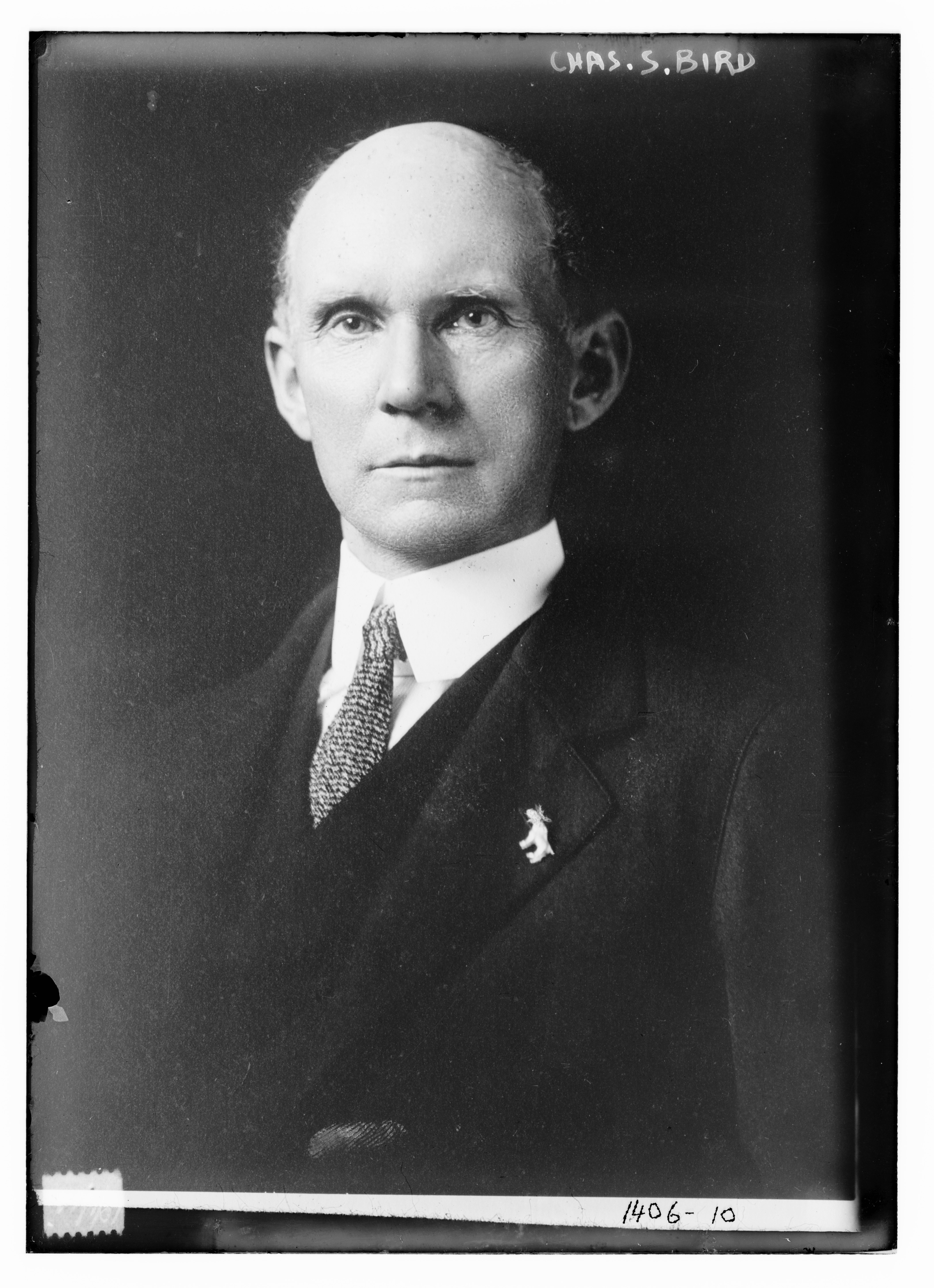
Charles Sumner Bird
U.S.A.
Social Media

Personal Background
Charles Sumner Bird graduated from Harvard and joined his family's business, later transitioning into various political roles. He began his career in high-finance before shifting his focus to public service and political advocacy. Bird held significant political affiliations, starting with the Democratic Party, then moving to the National Democratic Party, and finally joining the Progressive Party. His professional expertise and leadership capabilities were marked by his support for the eight-hour workday, the pro-gold standard, and opposition to unionization.
Political Ideas
Charles Sumner Bird's political journey reveals an intriguing blend of ideological shifts and calculated policy positions. Initially a Democrat, he later embraced the gold standard with the National Democratic Party and then aligned with Theodore Roosevelt's Progressive Party. Bird's support for the Eighteenth Amendment and vehement opposition to unionization showcase a complex stance on social and economic issues. His legislative record exhibits a calculated approach to regional industrial interests, marked by surprising alliances on environmental regulations.