Charles S. Thomas
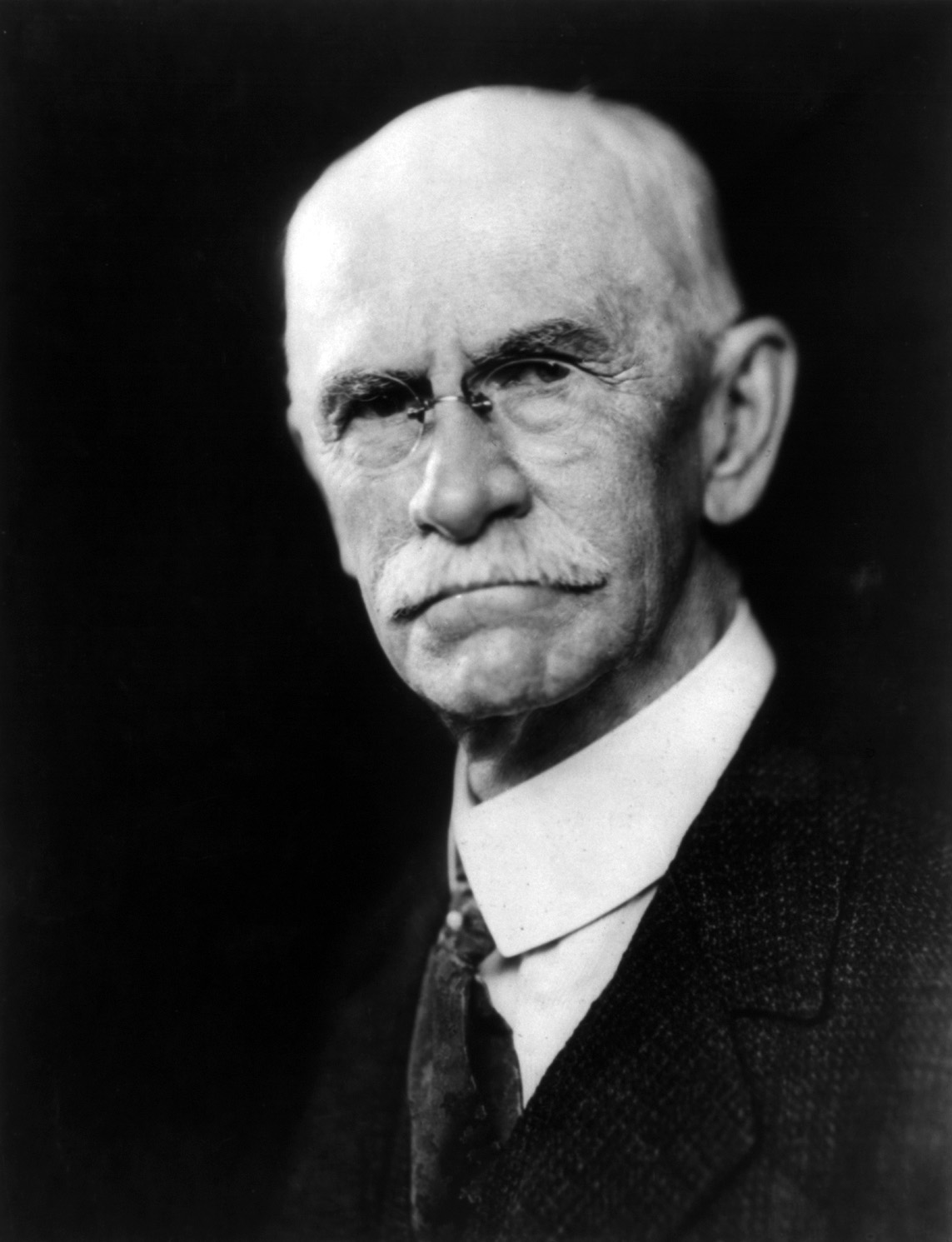
Charles S. Thomas
U.S.A.

Social Media

Personal Background
Charles S. Thomas holds a law degree from the University of Michigan and has held various legal and political positions throughout his career. He served as city attorney and later became the 11th governor of Colorado, during which he faced significant challenges related to lynching and the death penalty. Thomas spent several years as a member of the Democratic National Committee and later transitioned to a Senate seat, where he chaired the Committee on Woman Suffrage and served on other key committees. Despite multiple unsuccessful candidacies for various offices, he remained active in law and politics until his death.
Political Ideas
Charles S. Thomas's political identity is marked by a striking blend of progressive and reactionary views, particularly in his stance on extrajudicial violence. His rhetoric, which condones lynching as a "natural outburst of indignation," contrasts sharply with his support for the abolition of the death penalty. Thomas's ideological positioning is further complicated by his opposition to the League of Nations, revealing a deeply isolationist streak. His legislative record, which includes chairmanship of the Committee on Woman Suffrage, shows an unexpected convergence with progressive causes, yet his views on racial justice remain deeply troubling.