Charles Pinckney
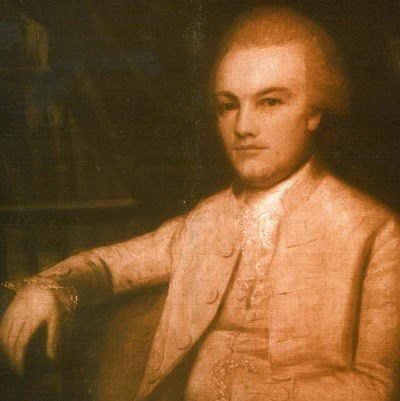
Charles Pinckney
U.S.A.

Social Media

Personal Background
Charles Pinckney was born into a prominent family in the Province of South Carolina, with a father who was a wealthy lawyer and planter. He received a solid education and later practiced law in Charleston. Pinckney served in the militia and participated in the siege of Savannah, where he was captured by the British. After his release, he returned to Charleston and engaged in political activities, serving as a delegate to the Continental Congress and in various state legislative roles. Pinckney owned multiple plantations and a townhouse in Charleston, including Snee Farm, and enslaved numerous people. His work focused on securing navigation rights and strengthening congressional power.
Political Ideas
Charles Pinckney's political identity is marked by a blend of regional economic advocacy and a complex relationship with slavery. He championed navigation rights and congressional power, revealing a strategic focus on enhancing regional economic interests. Pinckney's ownership of multiple plantations and enslaved people juxtaposes his efforts to secure favorable international terms, hinting at a calculated approach to balancing economic and moral considerations. His rhetorical style likely weaves together a narrative that defends economic imperatives while navigating the moral complexities of slavery.