Charles L. Robinson
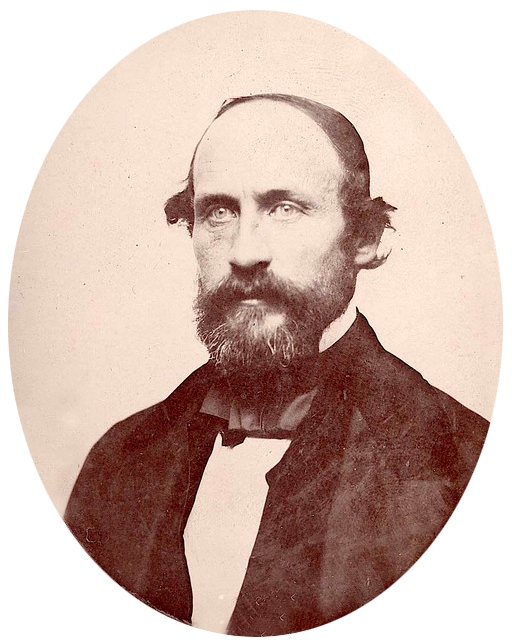
Charles L. Robinson
U.S.A.

Social Media

Personal Background
Charles L. Robinson earned a medical degree and established himself in the medical field before transitioning to public service. He played a pivotal role in the antislavery Free State movement during the Bleeding Kansas period, organizing an alternative government and supporting the antislavery Topeka Constitution. Robinson held significant political positions, including serving as the first governor of Kansas under the Topeka Constitution and as a member of the Kansas State Senate. He also contributed to educational and historical institutions, serving as superintendent of the Haskell Institute and president of the Kansas Historical Society.
Political Ideas
Charles L. Robinson's political identity is marked by a steadfast commitment to antislavery principles, yet his later support for opponents of alcohol prohibition introduces an intriguing ideological flexibility. His strategic establishment of an alternative Free State government during the Bleeding Kansas period demonstrates a disruption-oriented approach to governance. Robinson's role in educational institutions, such as his tenure at the Haskell Institute, reveals a dedication to progressive social causes alongside his political career.