Charles K. Williams
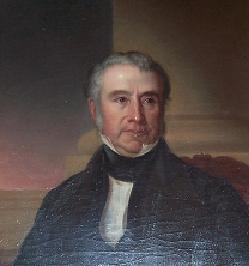
Charles K. Williams
U.S.A.
Social Media

Personal Background
Charles K. Williams graduated from Williams College and held various roles in the public sector, including service in the Vermont Militia and as a justice of the Vermont Supreme Court. He spent significant time in the Vermont House of Representatives and served as Vermont's US Collector of Customs. Williams also held the position of Governor of Vermont and contributed to the passage of the Habeas Corpus Act, reflecting his anti-slavery stance. His professional expertise is further evidenced by his role as a trustee of Middlebury College and his leadership as president of the Williams College Alumni Association.
Political Ideas
Charles K. Williams's political identity is marked by his unwavering commitment to abolitionism, evident in both his personal and professional life. His judicial career showcases an ideological rigidity, particularly in his landmark opinion on the unconstitutionality of nullifying judicial decisions. Despite his abolitionist stance, his legislative record in Vermont reveals a strategic alignment with opposing factions on environmental regulations, hinting at a highly localized approach to policymaking. Williams's rhetorical style likely balances moral absolutism with pragmatic considerations, leaving his audience curious about the interplay between his ideological convictions and practical governance.