Charles Jackson
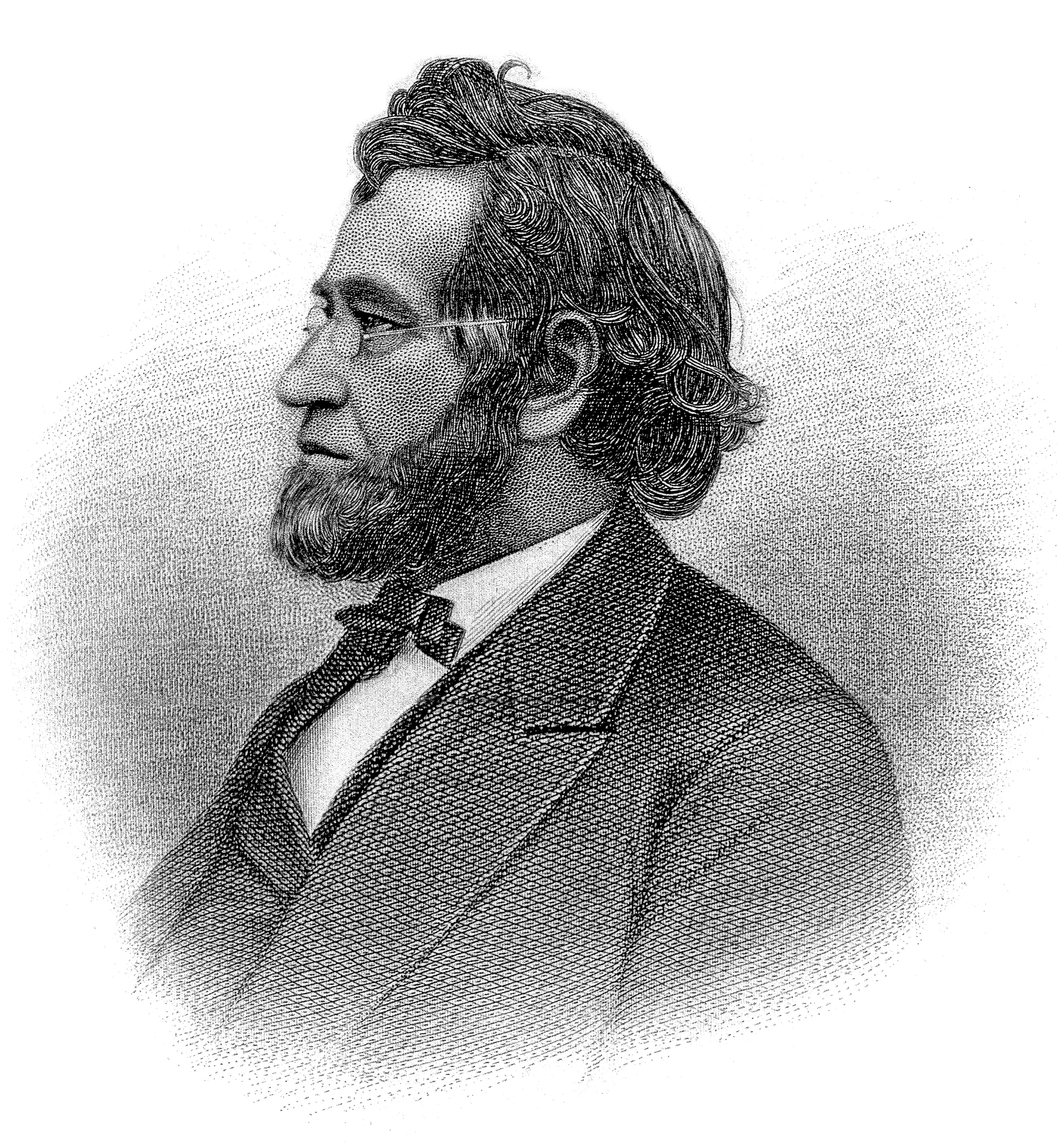
Charles Jackson
U.S.A.

Social Media

Personal Background
Charles Jackson graduated from Brown University and pursued a master's degree, later studying law and being admitted to the bar. He engaged in various business ventures, including cotton manufacturing, a rubber factory, and companies involved in firearms and railroad equipment production. Jackson transitioned into politics as a Whig, serving multiple terms in the Rhode Island House of Representatives and as Speaker. He also played a role in the state constitutional convention and served as governor, advocating for the Liberation movement and prisoner rights.
Political Ideas
Charles Jackson's political identity is marked by a unique blend of economic advocacy and radical prisoner rights activism. His business background in manufacturing and railroads aligns with a pro-business stance, yet his actions as governor, particularly freeing Dorr Rebellion prisoners, reveal a surprising commitment to civil liberties. Jackson's legislative record shows an unexpected convergence with opposing factions on environmental regulations, revealing a highly calculated approach to protecting regional industrial interests.