Charles G. Dawes
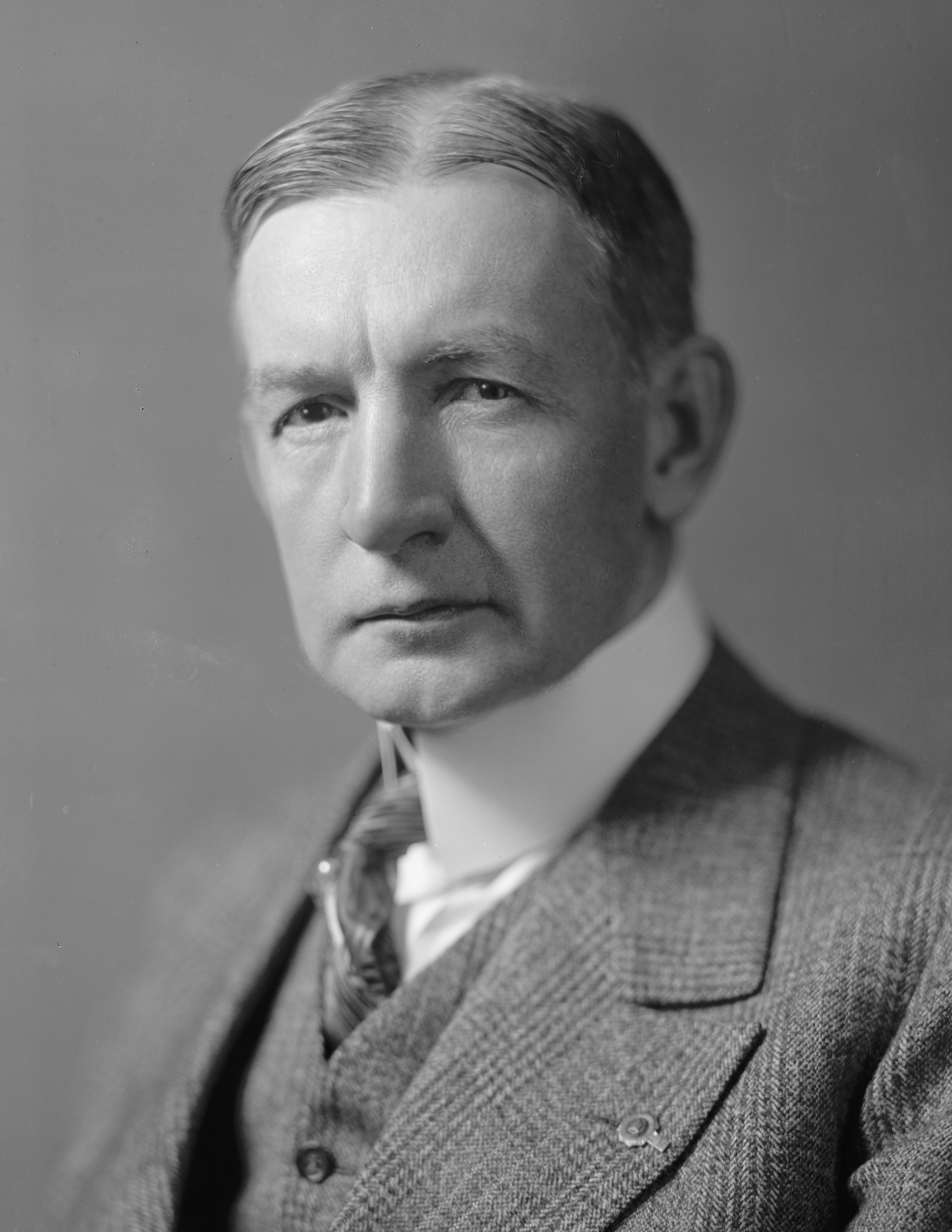
Charles G. Dawes
U.S.A.

Social Media

Personal Background
Charles G. Dawes graduated from Marietta College and Cincinnati Law School, establishing a foundation in higher education. He practiced law before transitioning to business, where he held leadership roles in gas companies. Dawes' career included significant public service, notably managing a presidential campaign and serving as Comptroller of the Currency. His military service during World War I, culminating in a brigadier general rank, showcased his leadership under pressure. Dawes later devised the Dawes Plan, which addressed the European financial crisis and earned him a Nobel Peace Prize.
Political Ideas
Charles G. Dawes combines an unexpected blend of economic pragmatism with a principled stance against bigotry. His advocacy for financial reforms to stabilize banking practices contrasts with his vocal opposition to the Ku Klux Klan, revealing a nuanced approach to social justice. The Dawes Plan, which facilitated European recovery post-World War I, showcases his strategic thinking in international diplomacy.