Charles Floyd
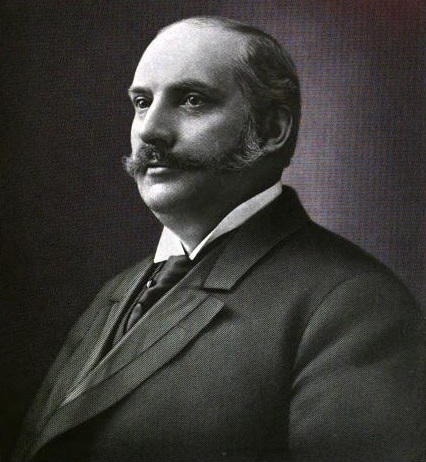
Charles Miller Floyd
U.S.A.

Social Media

Personal Background
Charles Floyd, a graduate of Pinkerton Academy, established himself as a successful businessman with diverse interests including retail, manufacturing, and commercial real estate. He transitioned into public service, serving in the New Hampshire State Senate and later as a member of the state Executive Council. Floyd's tenure as governor was marked by ethics reforms, the creation of the state tax commission, and infrastructure improvements. Post-governorship, he contributed to national conventions and state-level war efforts, chairing the state tax commission in the 1920s.
Political Ideas
Charles Floyd's political identity is marked by a blend of ethical rigidity and progressive economic pragmatism. His legislative career emphasizes ethics reform, notably eliminating free railroad passes for state legislators, while simultaneously advancing economic development through infrastructure improvements. Floyd's tenure as chair of the state tax commission reveals a calculated approach to fiscal governance, balancing efficiency with equity. His wartime role as the state's fuel administrator during World War I showcases a strategic alignment of economic interests with national priorities.