Charles D. Kimball
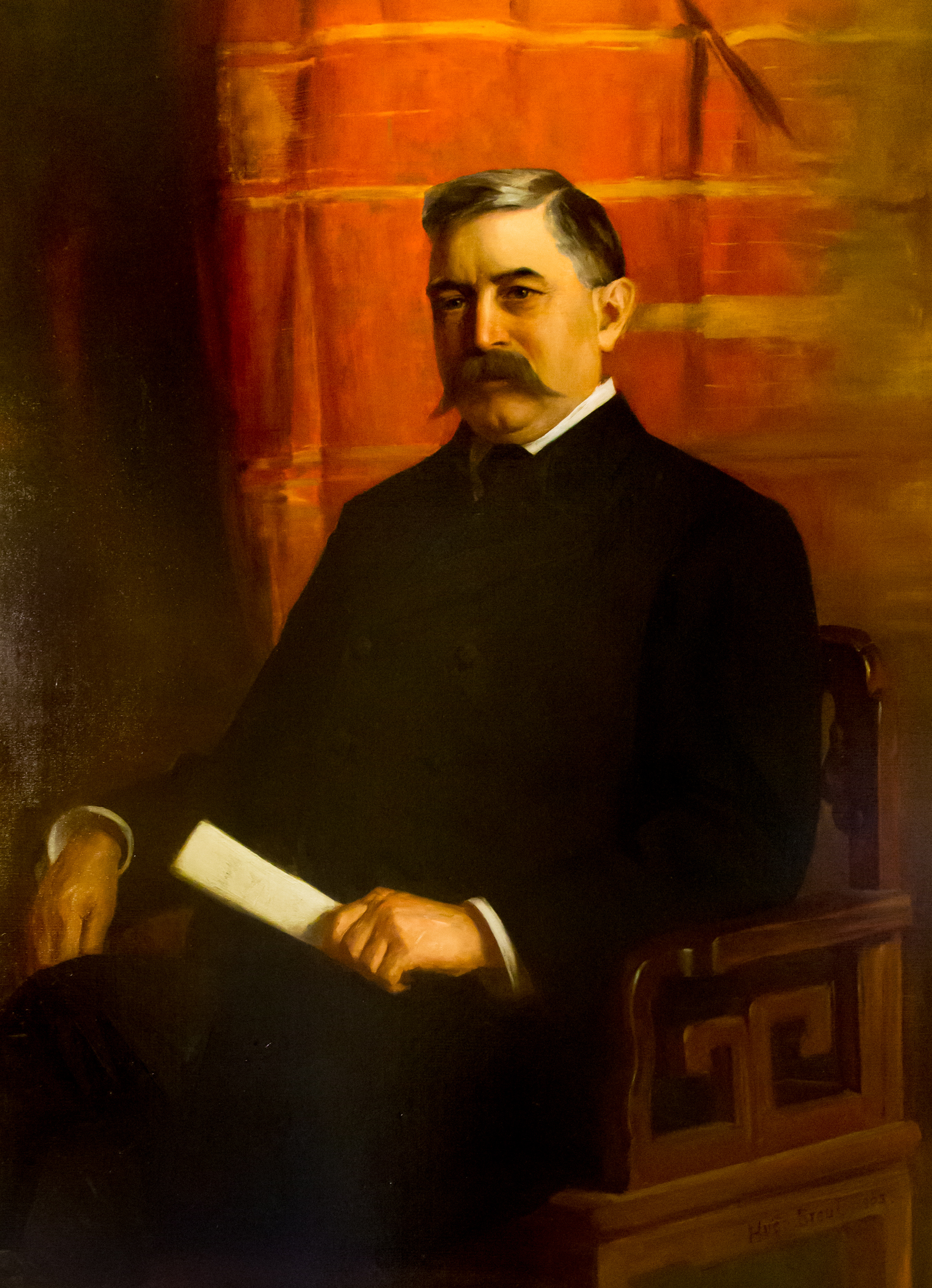
Charles D. Kimball
U.S.A.

Social Media

Personal Background
Charles D. Kimball spent several years in the Rhode Island House of Representatives before serving as Lieutenant Governor and then Governor of Rhode Island. As governor, Kimball championed constitutional reforms, including granting the governor veto powers and altering the frequency of state elections. His leadership also saw a shift in the start date for state general officers' terms. Kimball's affiliations with historical societies and service during World War I further underscore his commitment to public service and state governance.
Political Ideas
Charles D. Kimball's political career is marked by a blend of traditionalism and calculated modernization, particularly in state governance. He championed changes to the state constitution to enhance executive powers and streamline election cycles, revealing a strategic approach to institutional efficiency. Kimball's tenure as governor saw a shift in the timing of state officer terms, which suggests a nuanced understanding of political timing and regional interests. His involvement in historical societies indicates a deep respect for heritage, yet his policy reforms suggest an ideological flexibility that balances tradition with progress.